 LIVE DEMO
Sealed Take
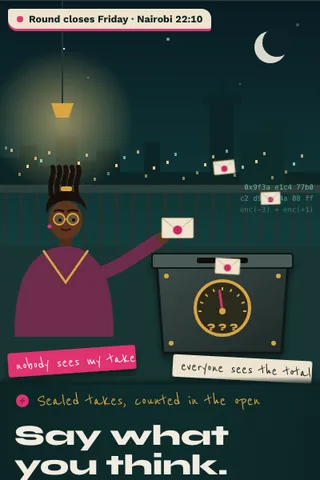
Everyone stakes a conviction, encrypted. The chain tallies it without ever seeing a single take. FHE on Base.
Ready now
$20Fhenix
 Try it live
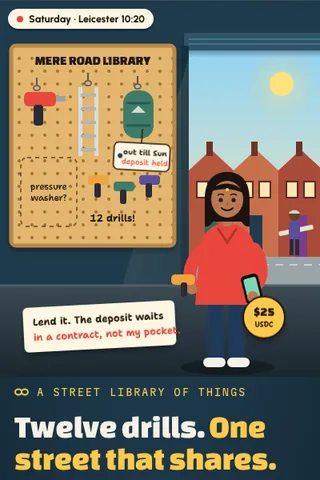
Lend the ladder, the drill, the tent: a street library of things with deposits held by contract.
Try it live, freePriya's street has twelve power drills and nobody has a pressure washer. Commons Ledger lists shared items, holds a small refundable USDC deposit while borrowed, and builds each neighbour a lending history so trust grows street by street.
Item catalogue, borrow and return flow, USDC deposit escrow, dispute by two-neighbour vote, lending history badges.
Reshape it entirely: new features, your flows, your brand end to end, integrations you need. We scope it with you.
Pieces exist in prototypes; a live street library with contract-held deposits was not found.
BringBack (Monad hackathon) uses refundable onchain bonds for lending items, a University of Turin prototype tokenises a Library of Things, and Borrow (Berlin) holds offchain deposits.
Checked with web searches in October 2026. A search is not proof that nothing similar exists, and the market moves fast, so we recheck before every build.
Payments and community apps; existing projects OK
Local public goods if open source; existing OSS generally required
The complete Commons Ledger app: a street library of things where neighbours lend tools and gear, a small USDC deposit is held by contract while borrowed, damage is settled by a neighbour vote and every good return grows a visible lending history, with a paywall, owner console and helper agent built in.
Every buyer gets the same finished app. Basic branding and copy changes come through a quick form.
Your admin side: revenue, paywall editor, users, rules and the agent log.
Referral and growth mechanics, switched on when you are ready to grow.
One street is free, deposits and votes included. Organisers running several streets pay monthly for custom deposit rules, the SMS digest and a dashboard, and councils or housing groups pay for many areas, insurance hooks and sharing reports.
Hold and refund on Base are typically well under $0.02 per loan together and can be sponsored. Deposits sit in the escrow contract, never with the owner.
Prices are yours to set. Illustrative, not a promise of income.
Lend the ladder, the drill, the tent: a street library of things with deposits held by contract.
Problem: Streets own the same few tools many times over and lack the one thing someone needs this weekend, because nobody wants to chase a ladder or argue about a snapped tent pole.
Solution: Neighbours list what they can lend. A small USDC deposit is held by an escrow contract while borrowed, refunded on return, split only by a neighbour vote, and each good return writes a lending history attestation.
Why now: Embedded wallets hide seed phrases, card on-ramps cover neighbours without crypto, and L2 gas makes a deposit hold cost a cent.
Market: Street groups, neighbourhood organisers, housing associations and councils with waste and sharing goals.
The ask: A pilot with five Leicester streets and one housing group.
Funding is never guaranteed. Check each program's rules.
Many hackathons require code written at the event. See the Regatta Boardfor each race's rule.
Custom work from $900: council branding, insurer integrations, locker hardware or a different chain. Scoped on a call.
Most streets own the same few tools many times over and lack the one thing someone needs this weekend. Neighbours would lend, but nobody wants to chase a ladder or argue about a snapped tent pole, so the drill stays in the shed and the borrower buys another.
Pieces of this exist. BringBack, a Monad hackathon project, uses refundable onchain bonds for lending items; a University of Turin research prototype tokenises a Library of Things; Borrow in Berlin runs a lending service with offchain deposits; and many towns run physical Libraries of Things. Research verdict: rare, medium novelty. What this app adds is a ready-to-run street version: a catalogue scoped to a small radius, a USDC deposit held by contract while an item is out, damage settled by a small random neighbour vote, and a lending history that makes good lenders visibly trusted.
Item listings (name, photo, owner, deposit size) and chat stay offchain in the app database. Onchain: deposit holds, refunds, vote-based splits and a lending-history attestation per good return, all keyed to wallet addresses, never names or door numbers.
Make borrowing from a neighbour easier than buying, so a street owns less and trusts more.
The thing you need is 190 m away A wish gets matched to a real neighbour in seconds, which beats a shop trip and feels good.
Trust you can see Every good return adds a link to the lender's and borrower's chain. People like being the trusted one on the street.
No awkward money talk The deposit sits in a contract and damage goes to a neighbour vote, so nobody has to ask a friend for money.
Sign in and wallets: Email or phone sign-in with an embedded wallet (for example Privy) so neighbours never see a seed phrase. Deposits in USDC on Base, Polygon or Celo, chosen by the owner.
Deposit escrow contract: A small audited escrow: hold on borrow, refund on the lender's confirmation or after the due date plus a grace window, split only by a vote result. No admin withdraw.
Neighbour vote: A claim picks 2 to 5 voters at random from members with 3 or more good returns, excluding both parties. The contract settles to the majority outcome, capped at the deposit.
Lending history: Each good return writes an attestation (for example with EAS) linking lender and borrower addresses, readable as a public reputation chain.
Helper agent: A small model (for example a Haiku or GPT mini class model via OpenRouter) matches wishes to listings, writes reminders and the Sunday digest. It never decides damage.
Notifications: Web push, SMS or a WhatsApp business number for due-date reminders, with a confirmed mobile required at listing.
Fiat on-ramp: Card to USDC through an on-ramp provider for neighbours who do not hold crypto, with deposits shown in local currency.
Per loan on Base: hold plus refund is two small transactions, typically well under $0.02 together at recent Base fees, sponsorable by the owner. Agent matching and reminders use a few thousand tokens on a small model, around $0.001 per loan. A street with 140 loans a month costs roughly $3 to $6 in gas and model use plus hosting and SMS.
Every wish posted in the street group chat is a natural invite: the answer is a link to the item. Streets that run well get copied by the next street over, and the Sunday digest keeps lenders listing new things.
Injury and liability: A borrowed ladder or washer can hurt someone. Show safety notes on risky items, require acceptance at borrow, and do not position the app as an insurer.
Deposit law and money handling: Holding deposits may trigger rules in some places. Keep amounts small, keep funds in a non-custodial contract, and take local advice before launch.
Unfair votes: Friends can vote for friends. Random selection, exclusions, a deposit cap and a visible vote history keep it modest.
Privacy: Door numbers and names never go onchain. Reputation links use addresses, and members can leave and hide their history.
Contract bugs: An escrow bug can lock deposits. Keep the contract tiny, audited and time-limited, with automatic refunds after a deadline.
Costs and tools are estimates at the time of writing. General information only, not legal or financial advice.
Nine routes from one vessel. Tap a port to open its chart.
Library of Things lets a street or building share ladders, drills and tents, with a small refundable USDC deposit held by contract while an item is out. If you own it, the lending network, the trust history and any small fees are yours, not a rental startup's. You become the person who made your street more generous.
You run it from an admin screen: approve members, add item categories, set deposit sizes. DEPLOYR deploys it from your wallet.
The deposit is there for that. Set it close to the item's value for expensive things, and let lenders choose who can borrow. Be clear in the rules that it is neighbours sharing, not insurance.
Most will not care what chain it runs on. Help them set up a simple wallet once, keep deposits small, and show them it works with one ladder first.
Yes. The contract sits on your wallet and any small fees route there. Deposits are held by the contract and returned to borrowers.
Modestly at street level. Real income comes from running it for many buildings, councils or housing groups. Treat the street as the proof, not the business.
Neighbourhoods use it free or for a small fee; the owner earns from housing associations, co working spaces, councils and campuses that pay a monthly plan to run their own library. About $1M a year is a target, not a promise.
Illustrative stages, not a forecast. Results depend on you and the market; nothing here is guaranteed.
LIVE DEMOEveryone stakes a conviction, encrypted. The chain tallies it without ever seeing a single take. FHE on Base.
 LIVE DEMO
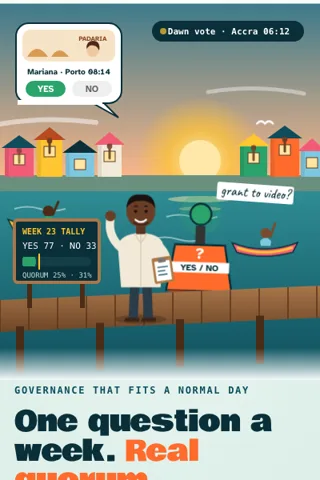
Governance by text-sized questions: one decision a week, answered in ten seconds, with real quorum.
 LIVE DEMO
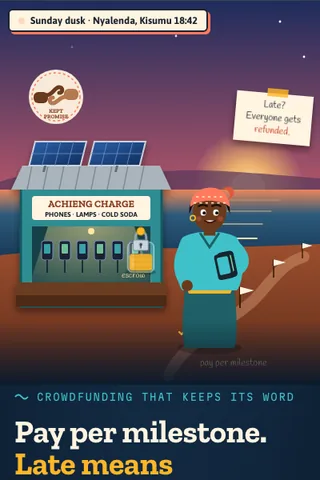
Crowdfunding where backers get refunded by contract if the goal or the milestones are missed.
 LIVE DEMO
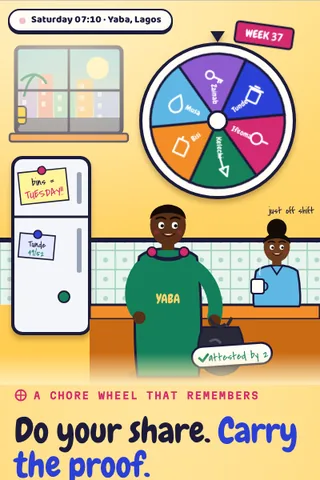
A shared house or club tracks who did the work, and the record becomes everyone's portable reliability score.
 LIVE DEMO
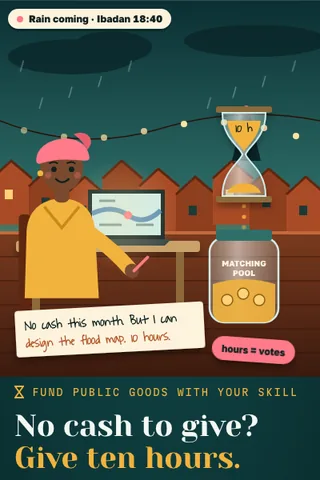
Fund a public good with hours of your skill, not just money, and get matched like a donation.
 LIVE DEMO
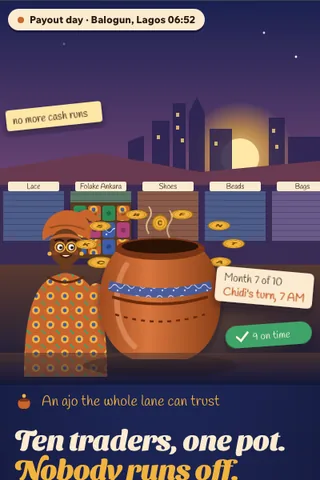
A rotating savings circle (ajo, susu, chama) with payouts enforced by contract and trust scores for members.
 LIVE DEMO
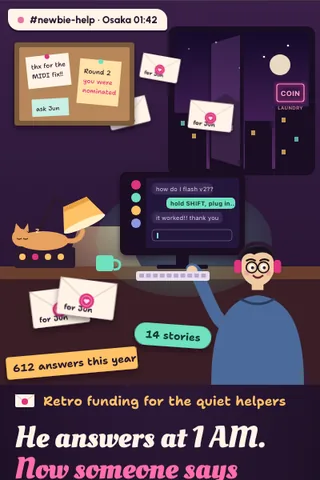
Retro funding for the quiet helpers: the community nominates who mattered, a pot pays them.
 LIVE DEMO
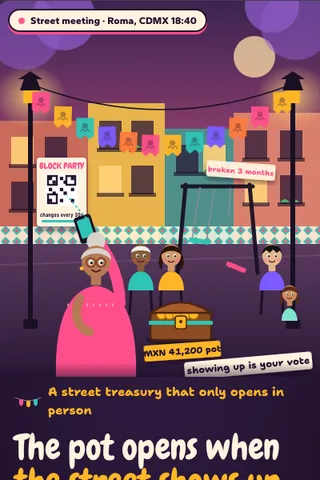
A neighbourhood treasury where proposals unlock only after enough real neighbours physically show up.