 LIVE DEMO
Sealed Take
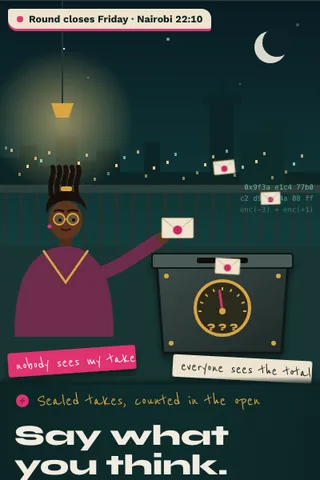
Everyone stakes a conviction, encrypted. The chain tallies it without ever seeing a single take. FHE on Base.
Ready now
$20Fhenix
 Try it live
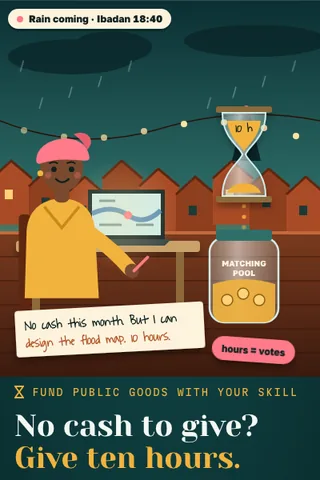
Fund a public good with hours of your skill, not just money, and get matched like a donation.
Try it live, freeKemi cannot spare cash for her town's open data project, but she can design. Skill Pledge lets her pledge 10 hours, the project confirms delivery, and her hours count in the quadratic match exactly like a donor's dollars.
Round setup, money and hour pledges, project delivery confirmation, QF math with hour-to-credit rate, matching pool payout, contributor profiles.
Reshape it entirely: new features, your flows, your brand end to end, integrations you need. We scope it with you.
No product found that matches pledged skill hours like donations.
Gitcoin Grants quadratic funding matches money donations only; no matching of pledged skill hours was found.
Checked with web searches in October 2026. A search is not proof that nothing similar exists, and the market moves fast, so we recheck before every build.
Public goods funding tooling; existing open-source projects OK
Only after deployment with measurable impact
Public goods research; existing projects OK
The complete Skill Pledge app: people fund public goods with hours of their skill, projects confirm the work, and confirmed hours count in the quadratic match like donations, with a paywall, owner console and round keeper built in.
Every buyer gets the same finished app. Basic branding and copy changes come through a quick form.
Your admin side: revenue, paywall editor, users, rules and the agent log.
Referral and growth mechanics, switched on when you are ready to grow.
Pledging hours is always free. Round operators pay monthly for unlimited rounds, every hour rule, sybil checks and sponsor reports, and sponsors pay a small share of the matching pool for analytics and review.
Pledge and attestation gas on Optimism is a few cents or less. Matching pools go to projects, never through the owner.
Prices are yours to set. Illustrative, not a promise of income.
Fund a public good with hours of your skill and get matched like a donation.
Problem: Public goods rounds only count money. People with real skills and little cash cannot take part, and projects pay for design and code with the same scarce donations.
Solution: Rounds accept hour pledges alongside USDC. Project leads attest delivered hours with evidence, a fixed hour rule turns them into credits, and the quadratic match treats them like donations. Contributors are never paid from the pool.
Why now: Quadratic funding is mainstream in public goods, and attestations on L2s make confirming delivered work cheap and checkable.
Market: Civic tech communities, open source ecosystems and the foundations that fund their rounds.
The ask: A pilot round with an Ibadan open data community and a foundation sponsor.
Funding is never guaranteed. Check each program's rules.
Many hackathons require code written at the event. See the Regatta Boardfor each race's rule.
Custom work from $3,000: custom hour rules, foundation reporting, a federation of city rounds or a different chain. Scoped on a call.
Public goods funding rounds only count money. People with real skills and little cash, often in the places that need the projects most, cannot take part, and projects that need design, writing or code end up paying for it with the same scarce donations.
Gitcoin Grants and similar quadratic funding rounds match money donations only, and bounty boards pay for work but do not count it as community support. Research found no product that matches pledged skill hours like donations. Research verdict: fresh, high novelty, though each part (quadratic funding, attestations, bounties) is well known. What is new is the combination: hour pledges converted to match credit by a published rule, counted only after the project confirms delivery.
Round settings, pledges (hours, rule, cap), project confirmations and match payouts are onchain. Design files, screenshots, chat and contributors' employers or rates stay offchain with the project.
Let anyone fund what matters with the thing they have most of: their skill.
Your hours are a vote Quadratic matching rewards many contributors, so one person's ten hours can move real money toward a project.
A public record of good work Confirmed hours build a profile projects can trust and contributors are proud to share.
The Monday board A short list of tasks that fit your skill turns good intentions into a plan for the week.
Wallets: Email or social sign-in with an embedded wallet (for example Privy). Rounds run on Optimism, Base or Arbitrum.
Round contract: A quadratic funding round in the style of open source Allo-like contracts: money donations in USDC plus hour credits, with the hour rule, cap and round length fixed at launch.
Delivery attestations: The project lead signs an attestation (for example with EAS) that names the pledge, the hours confirmed and a hash of the evidence. Only attested hours count.
Hour valuation rule: Flat rate, a published local median, or project set with a cap. The rule is shown at pledge time and cannot change mid round.
Round keeper agent: A small model (for example a Haiku or GPT mini class model via OpenRouter) matches pledges to task lists, checks evidence links and flags outlier pledges. It never confirms work.
Sybil resistance: Per person caps, a passport style humanity score, and manual review for large pledges, as most QF rounds already do for money.
Payout: Matching pool paid to projects in USDC at round end. Contributors are never paid by the pool.
Per pledge on an L2 like Optimism: one pledge transaction and one attestation, typically a few cents or less together. Agent checks use a few thousand tokens on a small model, around $0.002 per pledge. A round with 600 pledges costs roughly $10 to $30 in gas and model use, plus hosting.
Every confirmed contributor shares a card with their hours and the project. Projects post their task lists to attract hours, and sponsors like seeing work delivered, not only money raised, which brings bigger pools.
Hour inflation: People or projects can overstate hours. Caps, project confirmation, evidence hashes and review of outliers keep it modest.
Collusion: A project could confirm fake hours from friends. Use humanity scores, caps and public attestations that can be challenged during the round.
Labour and tax rules: Unpaid work for organisations can raise legal questions in some places. Keep it voluntary, unpaid by the pool, and take local advice.
Valuation fairness: Any hour rate is a judgement. Publish the rule, show its effect, and let communities pick.
Privacy: Contributors may not want employers to see their pledges. Keep profiles opt in and never store employer data.
Costs and tools are estimates at the time of writing. General information only, not legal or financial advice.
Nine routes from one vessel. Tap a port to open its chart.
Quadratic funding only counts money, which leaves out everyone whose best gift is time and skill. Skill Pledge lets people pledge hours of design, code or translation, has the project confirm delivery, and counts those hours in the match like a donor's dollars. Owning it makes you the round operator: your rules, your matching partners, your community of contributors, and your fee for running rounds.
Yes. Round setup, money and hour pledges, delivery confirmation, QF math with an hour to credit rate, matching pool payout and contributor profiles are built. You choose the rules and deploy from your wallet with the guide. Run a tiny round first.
You set one rule per round, such as a flat $25 credit per confirmed hour, and publish it before pledges open. Flat rates avoid ranking people's worth. Expect debate, and revisit after each round.
Hours only count after the project confirms delivery. Projects that rubber stamp lose matching eligibility next round. Keep rounds small until you trust the community.
Sponsors, foundations, local businesses or DAOs. Start with a small pool of a few hundred dollars from people who already care about the projects.
Yes: contracts deploy from your wallet, the round runs on your app, and contributor profiles live under your brand.
You charge a round operation fee (a percentage of the matching pool or a flat fee) to communities, cities and DAOs that want to run skill inclusive rounds.
Illustrative stages, not a forecast. Results depend on you and the market; nothing here is guaranteed.
LIVE DEMOEveryone stakes a conviction, encrypted. The chain tallies it without ever seeing a single take. FHE on Base.
 LIVE DEMO
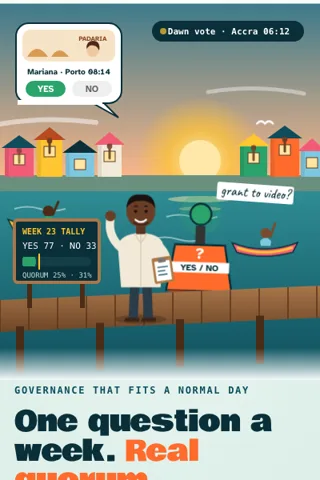
Governance by text-sized questions: one decision a week, answered in ten seconds, with real quorum.
 LIVE DEMO
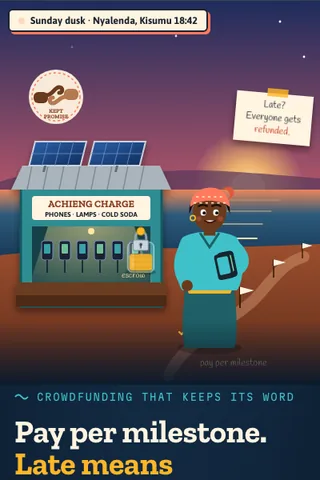
Crowdfunding where backers get refunded by contract if the goal or the milestones are missed.
 LIVE DEMO
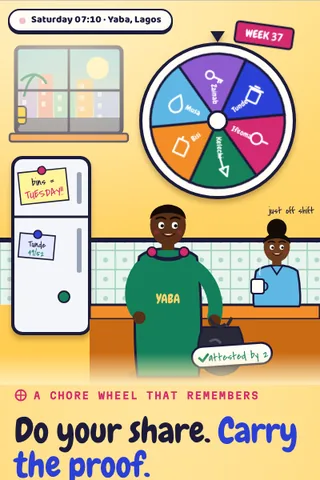
A shared house or club tracks who did the work, and the record becomes everyone's portable reliability score.
 LIVE DEMO
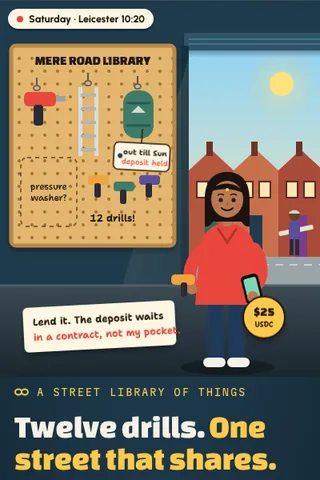
Lend the ladder, the drill, the tent: a street library of things with deposits held by contract.
 LIVE DEMO
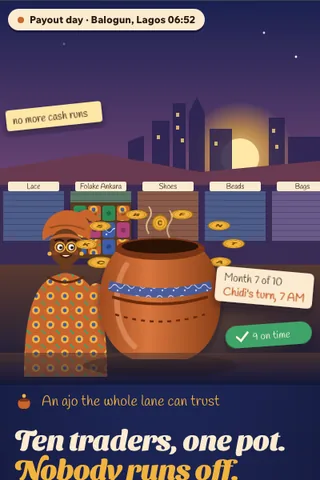
A rotating savings circle (ajo, susu, chama) with payouts enforced by contract and trust scores for members.
 LIVE DEMO
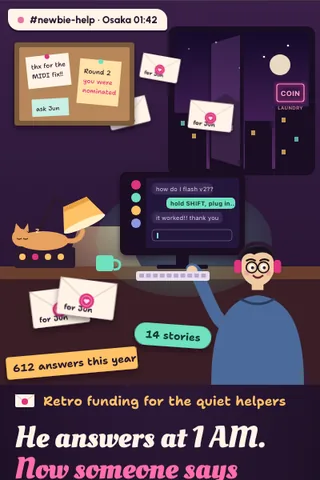
Retro funding for the quiet helpers: the community nominates who mattered, a pot pays them.
 LIVE DEMO
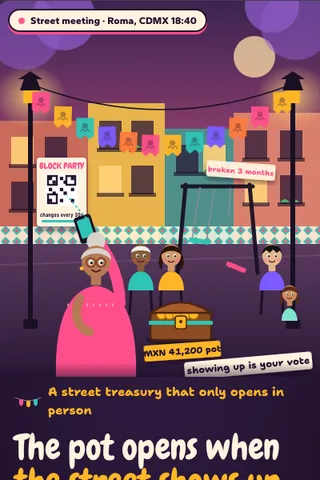
A neighbourhood treasury where proposals unlock only after enough real neighbours physically show up.