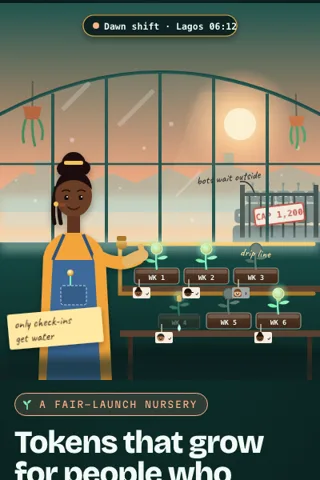
 LIVE DEMO
Slow Mint
A fair-launch token pad where supply unlocks only as real holders keep showing up, week after week.
Reserve · refundable deposit
$149Base · Solana +2
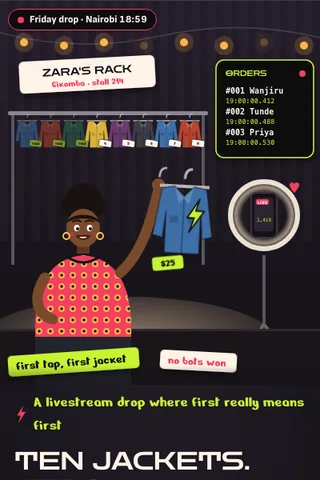 Try it live
Livestream sellers run drops where orders settle in real time, first come truly first served.
Try it live, freeZara sells thrift on livestream. She opens a drop of ten jackets; buyers tap, and the chain records order to the millisecond.
Drop page, order contract, seller console.
Reshape it entirely: new features, your flows, your brand end to end, integrations you need. We scope it with you.
Live commerce exists off chain; real time onchain drops were not found.
Whatnot (off chain).
Checked with web searches in October 2026. A search is not proof that nothing similar exists, and the market moves fast, so we recheck before every build.
The complete Live Drop app: livestream sellers run drops where every tap becomes a timestamped order on MegaETH, with USDC escrow until it ships, a paywall, owner console and drop assistant built in.
Every buyer gets the same finished app. Basic branding and copy changes come through a quick form.
Your admin side: revenue, paywall editor, users, rules and the agent log.
Referral and growth mechanics, switched on when you are ready to grow.
Fair drops are free to run on a small fee per sale taken from escrow on release. Sellers who want regulars, reminders and analytics pay a monthly Studio plan, and whole markets join on Collective.
Sale fees are set per tier by the owner. Gas on MegaETH is about $0.002 per order.
Prices are yours to set. Illustrative, not a promise of income.
Livestream drops where first come really means first, with every order timestamped onchain and paid through escrow.
Problem: Livestream sellers run limited drops by reading SOLD in the chat, but chat arrives seconds late and in a different order for every viewer. Bots and fast connections win and sellers spend the night refunding.
Solution: Each tap calls an order contract on MegaETH that assigns the next slot with a millisecond timestamp. Payment waits in USDC escrow until tracking is added, and a drop assistant handles hold timers and human checks without ever choosing winners.
Why now: Real time chains like MegaETH make per tap ordering cheap enough for a ten jacket drop, and stablecoin payments reach buyers across Africa, Asia and Latin America.
Market: Thrift, sneaker and fashion sellers who sell on livestreams, and the markets that host hundreds of them.
The ask: Pilot with one market of 20 stalls and grant support from the MegaETH ecosystem.
Funding is never guaranteed. Check each program's rules.
Many hackathons require code written at the event. See the Regatta Boardfor each race's rule.
Custom work from $1,200: your own market branding, courier or marketplace integrations, a different chain, or extra languages. Scoped on a call.
Livestream sellers run limited drops by reading 'sold' in the chat, but chat arrives seconds late and in a different order for every viewer. Fast connections and bots win, real fans feel cheated, and the seller spends the night refunding and arguing with no way to prove who was first.
Live shopping is well established off chain: Whatnot runs livestream auctions and flash sales with its own centralized ordering. What we could not find is a livestream drop where each order is recorded onchain in real time with a public timestamp and escrowed payment. The new part is narrow: a fast chain (MegaETH) as the shared, checkable order book for a live drop. Video, chat and discovery stay off chain.
The drop settings (size, price, hold window, per buyer limit), each order with its sequence number and timestamp, escrowed USDC payments, release on tracking added, and a light human check result per buyer. Stream video, chat and shipping addresses stay with the seller and the streaming platform.
When a seller says first come, first served, anyone can check that it was.
Your own order number Every buyer gets an order number and the millisecond they tapped, and can open it themselves.
The Friday bell A fixed weekly drop time with a lock screen reminder turns viewers into regulars.
Bots do not win A one tap human check and a per buyer cap keep the rack with fans, which fans can see.
Shareable proof A sold out card with the time to sell out and the order count travels well on social.
Drop page: Seller sets size, price, hold window, per buyer cap and bot guard, then shares a link next to the stream.
Order contract: Each tap calls the order contract on MegaETH, which assigns the next slot and records the timestamp. Slots are capped at the rack size.
Escrow: Buyer pays USDC into escrow within the hold window. Unpaid slots roll to the next in line.
Release: Funds release to the seller when tracking is added, or refund automatically after a set number of days.
Seller console: Live order list, holds, payments and a drop assistant agent that manages timers and human checks.
Gas per order on MegaETH is a fraction of a cent, about $0.002 at current estimates, so a 10 jacket drop costs under $0.03 in gas. Hosting the drop page and console is a few dollars a month. A suggested app fee of 3% of each sale covers stablecoin rails and support. Figures are estimates and vary with network conditions.
Every buyer leaves with a shareable order and a reminder for the next drop. Sellers post sold out cards with time to sell out, which pulls new viewers to the next bell. Markets like Gikomba have hundreds of sellers who watch each other, so one fair drop invites the stall next door.
Too strict with real people: Slow wallets or fast fans can be misjudged. Holds extend once when a payment is in flight, and checks use a human tap, not speed.
Resellers and bots: Per buyer caps and a human check reduce them. Sybil wallets remain possible; sellers can require a past purchase for hot drops.
Non delivery: Escrow only releases on tracking, and refunds automatically after the deadline.
Chain availability: If the chain is congested the drop pauses for everyone at once rather than favouring anyone.
Consumer law: Owners must follow local rules for online sales, returns and receipts.
Costs and tools are estimates at the time of writing. General information only, not legal or financial advice.
Nine routes from one vessel. Tap a port to open its chart.
Live Drop: Livestream sellers run drops where orders settle in real time, first come truly first served. Using someone else's version means their rules, their brand and their revenue. Owning Live Drop means it is deployed under your wallet, carries your name, and every customer, partner and result builds your track record instead of theirs.
Live Drop arrives deployed with a guide. Running it is settings and sharing links, not code. If you get stuck, we help you ship it.
Start with ten people you already know. The first move below takes under an hour and tells you fast whether people care.
Each step is sized in minutes. Most owners spend an hour a week, and the app does the repetitive part.
Nothing is guaranteed. The playbook gives you a clear path and honest numbers, and you decide how far to take it.
Charge the people who get the most value from Live Drop: a monthly plan for groups or teams, plus setup fees for anyone who wants it done for them.
Illustrative stages, not a forecast. Results depend on you and the market; nothing here is guaranteed.
A starter chart. A fuller, app-specific playbook is being written.
LIVE DEMOA fair-launch token pad where supply unlocks only as real holders keep showing up, week after week.
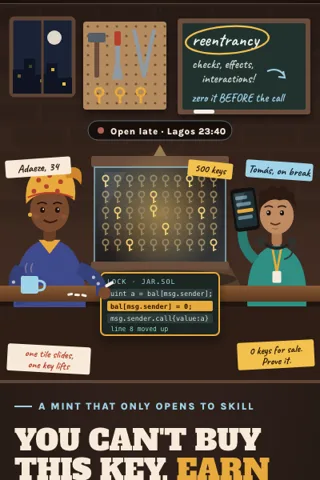 LIVE DEMO
Launch an NFT collection where each piece can only be minted by proving you can do the thing.
 LIVE DEMO
Founders publicly vow their own token lockups and get a shareable trust score that grows with time kept.
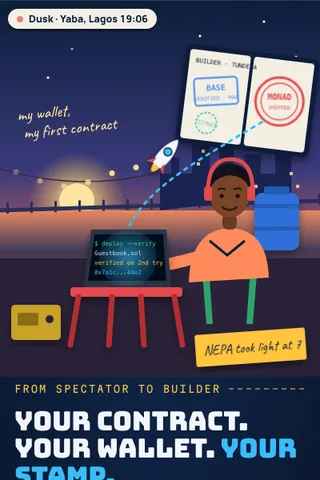 LIVE DEMO
Your own verified contract live on a new chain in ten minutes, with a public builder page to prove it.
 LIVE DEMO
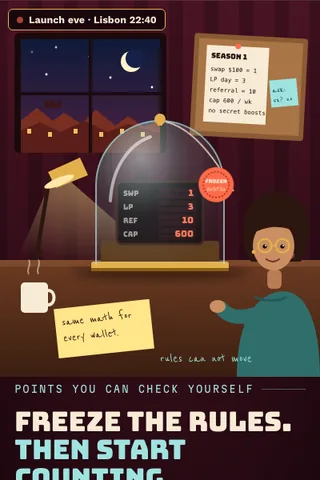
A points program where the formula, caps and conversion odds are public and frozen before day one.
 LIVE DEMO
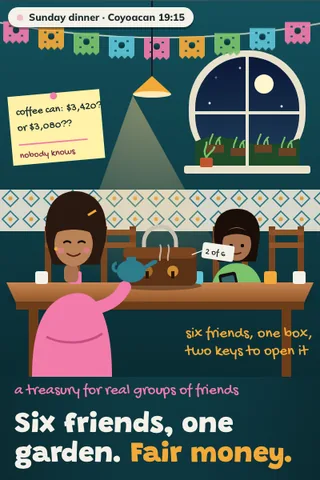
A DAO starter kit for small real groups: treasury, votes and roles in plain language.
 LIVE DEMO
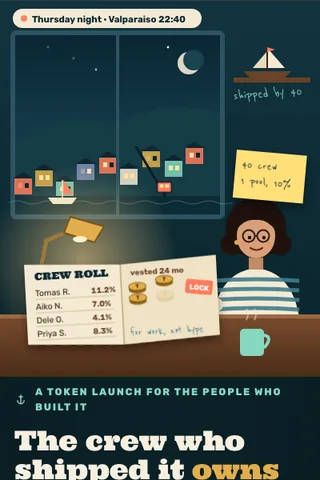
Launch a token that only your verified contributors can receive, weighted by work they actually shipped.
 LIVE DEMO
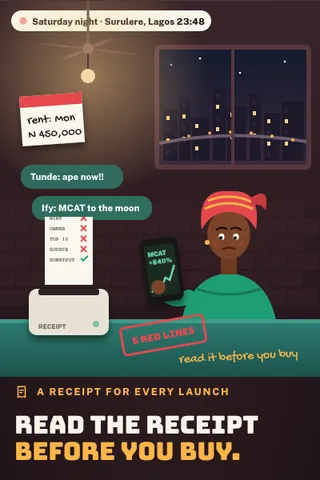
Every launch gets a printable safety receipt: locks, caps, owner keys, all checked live.