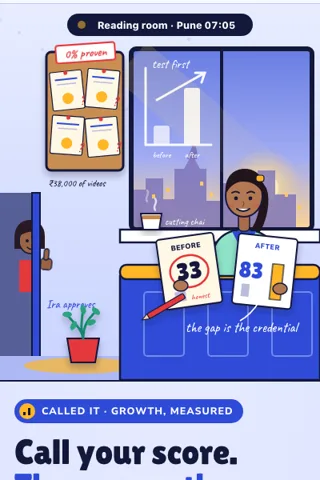
 LIVE DEMO
Called It
Log what you expect to learn before a course, then prove how much you actually grew.
Reserve · refundable deposit
$149Base · Optimism
 Try it live
A book club where finishing and discussing each chapter earns a shared pot back.
Try it live, freeTwelve friends pledge 10 USDC to finish a book. Chapter Club returns it to those who post chapter reflections.
Club creation, pledge pool, reflection posts, return payouts
Reshape it entirely: new features, your flows, your brand end to end, integrations you need. We scope it with you.
A staked book club was prototyped once; a live chapter-by-chapter version was not found.
BookBound, an ETHGlobal hackathon prototype, let readers stake ETH on a group book with a pot at the end.
Checked with web searches in October 2026. A search is not proof that nothing similar exists, and the market moves fast, so we recheck before every build.
The complete Chapter Club app: friends pledge a little USDC to finish a book together and get a slice back for every chapter reflection they post, with peer vouching, a paywall, owner console and reflection checker built in.
Every buyer gets the same finished app. Basic branding and copy changes come through a quick form.
Your admin side: revenue, paywall editor, users, rules and the agent log.
Referral and growth mechanics, switched on when you are ready to grow.
Small clubs are free. Hosts of bigger clubs pay monthly for voice notes, custom rules and keepsakes, and bookshops or schools pay to run many clubs under their own name. The owner never takes a cut of a pot.
No fees on pots. Attestations and slices on Base cost under $0.01 each and can be sponsored.
Prices are yours to set. Illustrative, not a promise of income.
A book club where finishing each chapter, together, earns your own pledge back.
Problem: Book clubs start with twelve people and end with two. Good intentions fade by chapter three and the organiser ends up nagging.
Solution: Readers pledge a little USDC into a per club pot. Each chapter reflection with a quote and a personal line returns a slice; unsure posts go to two friends; unclaimed slices go where the club chose on day one.
Why now: Email wallets with card onramps let non crypto readers pledge stablecoins, and small models can check reflections for cents.
Market: Friend book clubs, bookshops, libraries and school reading circles.
The ask: Pilot with three Seoul bookshops and a public library reading programme.
Funding is never guaranteed. Check each program's rules.
Many hackathons require code written at the event. See the Regatta Boardfor each race's rule.
Custom work from $600: bookshop branding, school versions without money, extra languages or a library fund integration. Scoped on a call.
Book clubs start with twelve people and end with two. Good intentions fade by chapter three, and the friend who organises it ends up nagging. People want a gentle, fair reason to keep reading together without turning it into a contest.
Staking on reading has been tried: BookBound, an ETHGlobal hackathon prototype, let readers stake ETH on a group book with a pot paid out at the end. Habit-staking apps like stickK and Beeminder exist offchain for personal goals. What is different here is the chapter-by-chapter rhythm: each reflection returns a slice of your own pledge right away, a check that asks for a quote and a line about your life, and a rule that any doubt goes to two fellow readers rather than to the software. Research verdict: rare, medium novelty; a live chapter-by-chapter version was not found.
Club rules (pledge, pace, grace days, where unclaimed slices go), each reader's pledge, a hash and attestation per chapter post, peer vouches, and the return ledger. Reflection text and voice notes stay inside the club and are never published.
Help people finish the books they start, together, by making each chapter a small promise kept to friends.
Your money, coming back Each chapter you post returns a slice of your own pledge within minutes. It feels like keeping a promise, not winning a bet.
One line of you A reflection needs a quote, a page and one line about your own life. Those lines become the best part of Thursday night.
Friends, not software, decide When a post is late or thin, two readers vouch or not. Life gets in the way and the club can say so.
Sign in and wallet: Privy email or passkey login with an embedded wallet on Base, so readers who have never used crypto can pledge USDC with a card onramp.
Pledge pot contract: A small per-club contract on Base (Arbitrum as an option) holds USDC pledges and only releases slices by the club's rules: per chapter attestation, grace window, and the unclaimed-slice destination chosen on day one.
Chapter attestations: Each counted post creates an EAS attestation with the chapter number and a hash of the reflection. The text itself stays offchain in the club's private store.
Reflection checker: A small model tier (for example Claude Haiku 4.5 or GPT-5 mini through OpenRouter) checks for a quote, a page and a personal line, and transcribes voice notes. It can only pass a post or send it to vouching; it never holds money on its own.
Peer vouching: Two readers tap Vouch or Not yet. Their signed votes are counted by the contract, and the slice moves or waits.
Digest and reminders: Thursday digest by email or Telegram: who posted, line of the week, streaks and the vote for the next book.
Per chapter post: about 1,500 model tokens for the check, well under $0.01 on a small model, plus a voice transcription of a few minutes at roughly $0.01 to $0.02. One attestation and one USDC transfer on Base usually cost under $0.01 each in gas. A 12 reader club reading 14 chapters makes 168 posts: roughly $3 to $5 in total running cost for the whole book.
Each finished book ends with a share card ('Twelve of us started, nine finished') and a vote on the next book, which invites friends of friends. Bookshops and libraries host clubs and bring their regulars.
Gambling rules: Pledges return to the same readers by default. Sending forfeited slices to other players can look like a wager in some places, so the library or next-book options are offered, and local legal review is needed before launch.
Privacy of reflections: Reflections can be personal. Text and voice stay club-only, only hashes go onchain, and readers can delete their posts.
Cheating with AI text: A model can write a fake reflection. The check asks for a page quote and a personal line, but the real guard is friends who read it on Thursday.
Unfair rejections: The checker can be wrong, as it was with mixed-language voice notes. Software never withholds a slice alone; two readers decide.
Contract risk: Pots are small, rules are fixed per club, and the contract should be audited and capped per club.
Costs and tools are estimates at the time of writing. General information only, not legal or financial advice.
Nine routes from one vessel. Tap a port to open its chart.
Book club apps own your members and your reading history. When you own Chapter Club, the pledge pool runs from your wallet, every reflection is part of your club's record, and the clubs you host build your name as the person who gets people to actually finish books. Small fees on clubs you host for others are yours too.
They pledge, not pay: the money comes back to those who post reflections. Most people want a reason to finish. Start with friends who have said 'I keep buying books I never finish'.
You choose at setup: it is shared among finishers, sent to a library or charity, or returned. Be clear before anyone pledges. Never keep it yourself without saying so up front.
You do not need to. Create a club, set the pledge, and members post reflections. DEPLOYR delivers it ready the same day.
Set a minimum length and let members flag empty posts. Small clubs of friends self police well; you are the final judge.
Small pledges that return to participants are usually fine, but a pool that pays losers' money to winners can look like a wager in some places. Keep pledges small and route forfeits to charity if unsure, and check local rules before running large public clubs.
Free clubs for friends, paid hosting for organizers: a per member fee on public clubs, plus paid partnerships with authors, publishers and schools who sponsor clubs.
Illustrative stages, not a forecast. Results depend on you and the market; nothing here is guaranteed.
LIVE DEMOLog what you expect to learn before a course, then prove how much you actually grew.
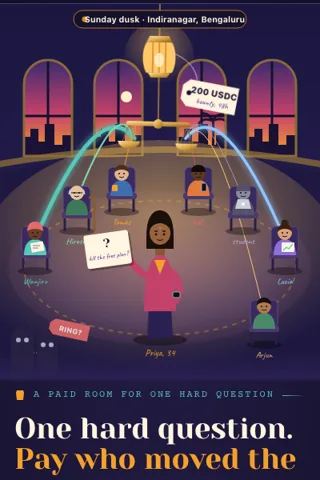 LIVE DEMO
Pose a hard question, stake a bounty, and pay the crowd by how much each answer moved the final consensus.
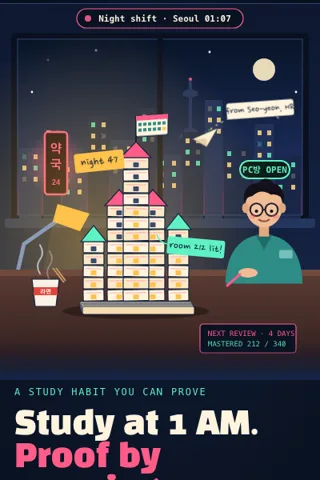 LIVE DEMO
Turn what you are learning into spaced repetition decks that prove your streak and mastery onchain.
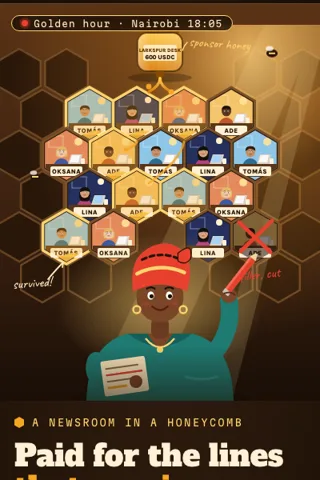 LIVE DEMO
A group writes one living briefing together and everyone is paid by the lines that survive edits.
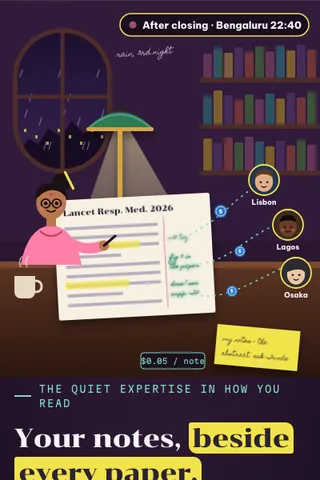 LIVE DEMO
Your highlights and annotations on any article become a collectible, tippable layer others can subscribe to.
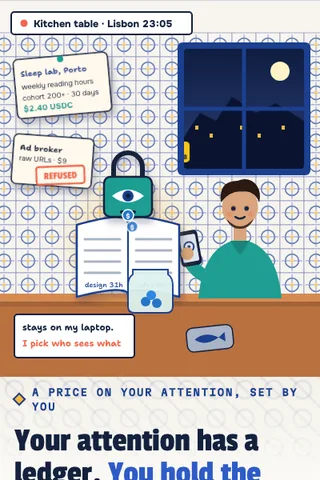 LIVE DEMO
Keep a private log of what you read and watch, then sell anonymized slices only when you choose.
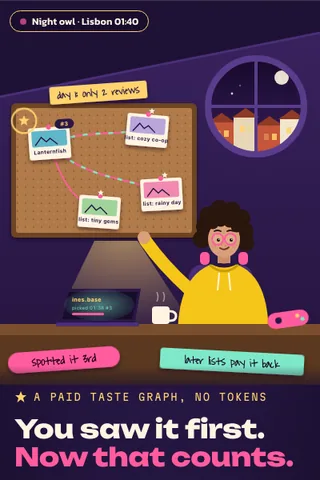 LIVE DEMO
Curate a list early, and earn a share when the things you picked go on to be loved.
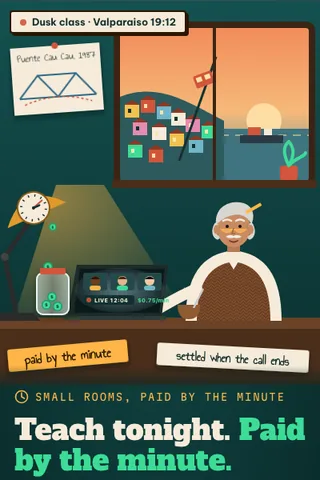 LIVE DEMO
Teach live in small rooms where students pay per minute and you get paid the second the call ends.