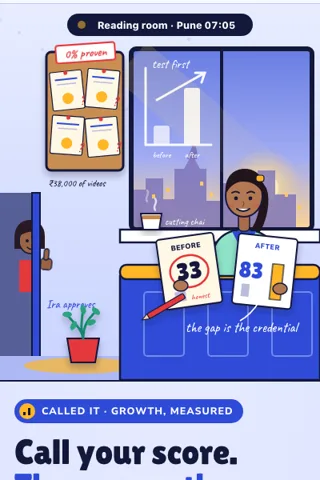
 LIVE DEMO
Called It
Log what you expect to learn before a course, then prove how much you actually grew.
Reserve · refundable deposit
$149Base · Optimism
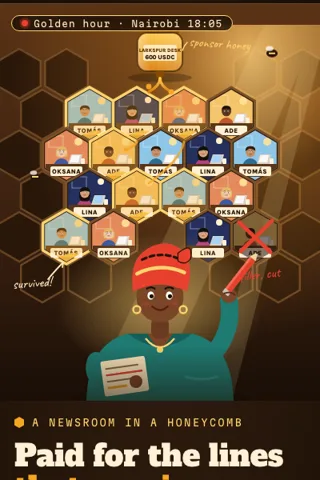 Try it live
A group writes one living briefing together and everyone is paid by the lines that survive edits.
Try it live, freeA research DAO wants a weekly market brief. Hive Brief tracks surviving contributions and splits the sponsor payment fairly.
Collaborative editor, contribution tracking, sponsor escrow, payout split
Reshape it entirely: new features, your flows, your brand end to end, integrations you need. We scope it with you.
No product found that pays co-writers by which lines survive edits.
Only concept pages and a FictionForge Catalyst proposal track collaborative writing contributions onchain; Coordinape does peer allocation.
Checked with web searches in October 2026. A search is not proof that nothing similar exists, and the market moves fast, so we recheck before every build.
Existing projects OK
Requires open source
The complete Hive Brief app: a writing collective edits one weekly brief line by line, and the sponsor's USDC escrow pays each writer by the lines that survive, with receipts, payout cards and provable bylines.
Every buyer gets the same finished app. Basic branding and copy changes come through a quick form.
Your admin side: revenue, paywall editor, users, rules and the agent log.
Referral and growth mechanics, switched on when you are ready to grow.
Writers are never charged to be paid. The app keeps a small share of each payout on the free plan, larger collectives pay for Studio, and sponsors funding several briefs pay for a sponsor seat.
The owner sets the payout fee (0 to 5 percent) on the free plan. Gas on Base or Optimism is a few cents per close and can be sponsored.
Prices are yours to set. Illustrative, not a promise of income.
Co-written briefs where sponsor money pays for the lines that survive the edit.
Problem: Writing collectives, research groups and newsletters split sponsor money equally or by gut feel. The people who did the real work feel short changed, and word counts reward padding.
Solution: Every line carries its lineage. Split rules are agreed before writing, the editor keeps, rewrites or cuts, and at close the escrow pays by surviving lines with one lineage hash onchain.
Why now: Cheap USDC transfers on Base, email wallets for writers anywhere, and small models that can flag filler for a few cents per issue.
Market: Independent newsletters, research collectives, DAO writing guilds and emerging markets desks that share sponsor budgets across countries.
The ask: Three pilot collectives and two sponsors for an eight week run, plus grant support from public goods rounds.
Funding is never guaranteed. Check each program's rules.
Many hackathons require code written at the event. See the Regatta Boardfor each race's rule.
Custom work from $1,000: your own split formulas, CMS or Substack import, extra chains, sponsor CRM integrations or a branded deployment. Scoped on a call.
Groups that write together, research collectives, newsletters, DAOs, have no fair way to split sponsor money. Splits end up equal or by gut feel, and the people who did the real work feel short changed.
We found no live product that pays co-writers by which lines survive edits. Closest: concept pages and a FictionForge Catalyst proposal about tracking collaborative writing contributions onchain, and Coordinape, which does peer allocation of a budget. Hive Brief's new part is measuring contribution from edit lineage, not votes or word counts. This is an early idea, not a proven model.
Line level edit history: who wrote each line, who rewrote it, whether it survived publish and the 48 hour window. Sponsor escrow amounts and payout transactions. Optional reader highlights for line of the week.
Make collective thinking pay the people who actually did the thinking, visibly and without arguments.
See your line make it Writers watch their lines survive the edit, live, and know what that is worth before Sunday.
Weekly close A fixed close time, a payout card, a survival streak and a reader voted line of the week.
Provable byline Any writer can prove a published line was theirs, which builds a portfolio without a staff job.
Editor: A collaborative editor (for example Yjs based) where each line carries an author and a rewrite history.
Accounts: Privy login with embedded wallets on Base or Optimism, so writers can receive USDC without setup.
Sponsor escrow: A Safe or a small escrow contract holds the sponsor's USDC for the issue and releases it on close.
Split engine: Computes weights from surviving lines, rewrite shares and editor share; posts a Merkle root of the lineage onchain and pays out in one batched transaction.
Assistant: A small model tier (for example Claude Haiku class or a similar low cost model via OpenRouter) flags filler and near copies of public text for the editor. It never cuts lines itself.
Notifications: Email and Telegram style messages for the close, payout cards and line of the week.
Per weekly issue: escrow release plus 5 to 10 transfers batched on Base or Optimism, usually a few cents in gas (check live). Filler checks on about 50 lines with a small model, roughly 1 to 3 cents. Example month for a collective with 4 issues: under 1 dollar in gas and model costs, plus hosting.
Each payout card is shareable and shows the writer's surviving lines. Writers bring in peers, sponsors see transparent receipts and fund more briefs, and each brief's readers are a pool of future contributors.
Editor power: The editor decides what survives, so the split is only as fair as the editor. Rules are set before writing, edits are logged, and writers can see why a line was cut.
Gaming: Padding, copied text and late sneaky edits. Surviving line rules, filler flags and the 48 hour window reduce, not remove, this.
Tax and payments law: Payouts to writers in many countries may be taxable income. The owner must handle terms and any reporting where required.
Privacy: Drafts and cut lines stay offchain. Only a lineage hash and payouts are public.
Not investment advice: Market briefs written with this tool are opinion. The app should label them clearly and never promise returns.
Costs and tools are estimates at the time of writing. General information only, not legal or financial advice.
Nine routes from one vessel. Tap a port to open its chart.
Group research usually ends with one person doing the work and everyone else getting the credit, or the reverse. Own Hive Brief and you run the place where contributors are paid by the lines that survive, from your wallet, under your brand. The sponsors, the writers and the archive of every brief are yours.
Lines only count if they survive edits, and editors can cut padding. Start with a small trusted group, show the rules up front, and adjust the weighting if you see gaming.
Your first sponsor is usually a project the group already covers. Ask for a small first deal ($200 to $500) and show them the read numbers after.
You do not need to. Hive Brief arrives working, deployed from your own wallet with a written guide for every step. You will click, paste and fill in names. If you ever want a change you cannot make, the custom option or a freelancer can handle it, but the first launch needs no code.
Yes. The contract is deployed from your wallet on Base, the code sits in your own git repo, and the name and brand are yours. DEPLOYR does not hold your keys or take a cut of what Hive Brief earns. If you stop paying anyone tomorrow, the app keeps running on your wallet.
That is the most likely early outcome, and it is fixable. The paths below start with you as the first user, then ten real research DAOs, newsletters and analyst groups you can name today. If ten people you message do not care after you have shown it to them, you have learned something useful in a week instead of a year.
Take a platform cut (around 10 percent) of each sponsor payment, plus a monthly plan for groups that publish weekly. This ladder is a target, not a promise.
Illustrative stages, not a forecast. Results depend on you and the market; nothing here is guaranteed.
LIVE DEMOLog what you expect to learn before a course, then prove how much you actually grew.
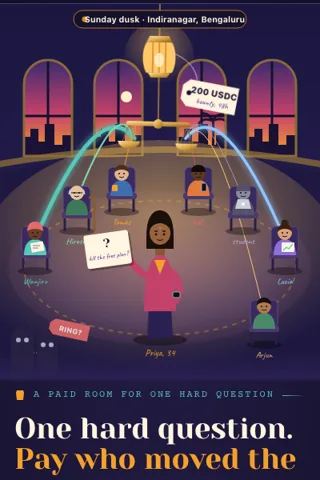 LIVE DEMO
Pose a hard question, stake a bounty, and pay the crowd by how much each answer moved the final consensus.
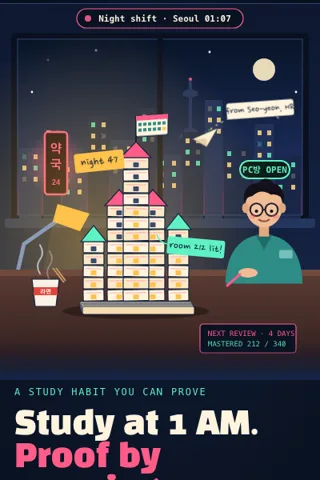 LIVE DEMO
Turn what you are learning into spaced repetition decks that prove your streak and mastery onchain.
 LIVE DEMO
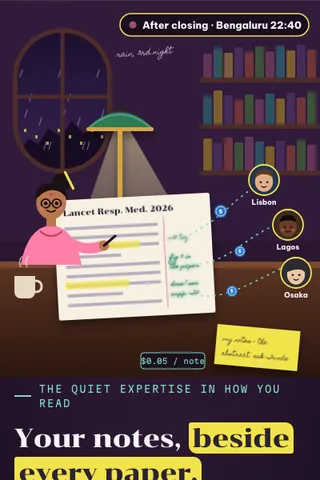
Your highlights and annotations on any article become a collectible, tippable layer others can subscribe to.
 LIVE DEMO
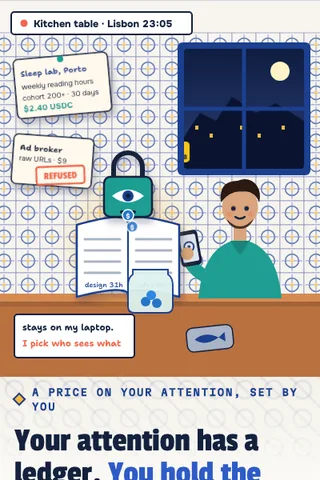
Keep a private log of what you read and watch, then sell anonymized slices only when you choose.
 LIVE DEMO
Curate a list early, and earn a share when the things you picked go on to be loved.
 LIVE DEMO
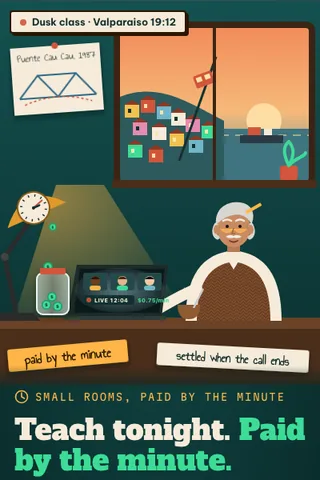
Teach live in small rooms where students pay per minute and you get paid the second the call ends.
 LIVE DEMO
Write letters to the future that unlock for named people at a date or when you stop checking in.