 LIVE DEMO
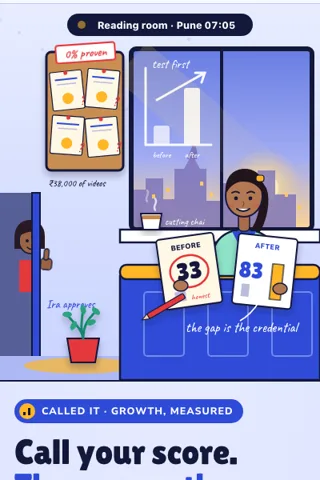
Called It
Log what you expect to learn before a course, then prove how much you actually grew.
Reserve · refundable deposit
$149Base · Optimism
 Try it live
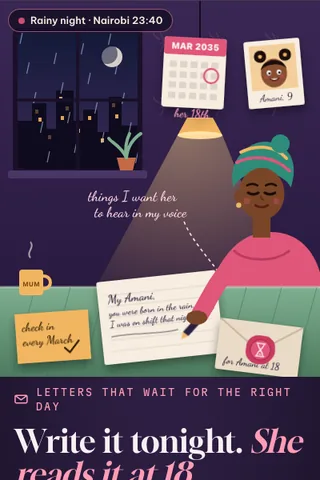
Write letters to the future that unlock for named people at a date or when you stop checking in.
Try it live, freeGrace writes to her daughter for her 18th birthday. Last Letter encrypts it, stores it permanently, and releases it on schedule or if Grace misses a yearly check in.
Letter composer, encryption, check in switch contract, recipient claim flow
Reshape it entirely: new features, your flows, your brand end to end, integrations you need. We scope it with you.
Legacy letters with dead man switches are live; recipient wallets on unlock and warmer UX are the differentiators.
FinalCapsule runs consumer letters with check-in release to trusted contacts, Sarcophagus is an onchain dead man switch with Arweave storage, and Nopalito stores memorial time capsules onchain.
Checked with web searches in October 2026. A search is not proof that nothing similar exists, and the market moves fast, so we recheck before every build.
Existing projects OK
The complete Last Letter app: people write letters that are encrypted on their phone and open for named readers on a date or after silence plus trusted confirmers, with plans and checkout built in.
Every buyer gets the same finished app. Basic branding and copy changes come through a quick form.
Your admin side: revenue, paywall editor, users, rules and the agent log.
Referral and growth mechanics, switched on when you are ready to grow.
Writing drafts is free. Writers pay once to seal a letter or monthly for the family plan, and care partners such as hospices sponsor seats. Readers never pay.
Care partners pay per sponsored seat (from $49 a month). Storage and check in gas cost cents and can be sponsored by the owner.
Prices are yours to set. Illustrative, not a promise of income.
Letters to the future that open for the people you love, at the moment you chose, and never sooner.
Problem: People want their voice to reach their family at the right moment. Letters sit in drawers or email drafts nobody can open, and nothing both keeps the words private and guarantees they arrive.
Solution: Letters are encrypted on the writer's phone, stored permanently, and released by a small contract on a date or after silence plus confirmer signatures. Readers claim with an email sign in.
Why now: Permanent storage, threshold key networks, sponsored gas and email wallets make a private, reliable release practical for people who have never used crypto.
Market: Parents, grandparents, people facing illness, and the hospices, estate planners and community groups who support them.
The ask: Pilot with one hospice and one estate planning practice, and grant funding from the Arbitrum Foundation programme.
Funding is never guaranteed. Check each program's rules.
Many hackathons require code written at the event. See the Regatta Boardfor each race's rule.
Custom work from $1,500: your own release rules, a hospice or law firm branded deployment, extra languages, or integration with an estate planning CRM. Scoped on a call.
People want their voice to reach the ones they love at the right moment, even if they are not there. Today letters sit in drawers, email drafts nobody can open, or with a relative who might lose them. Nothing both keeps the words private and guarantees they arrive.
This exists. FinalCapsule already runs consumer letters released to trusted contacts after missed check ins, Sarcophagus is an onchain dead man switch with Arweave storage, and Nopalito stores memorial time capsules onchain. Research verdict: exists, low novelty. What this app adds is warmer UX on top of that pattern: an email sign in that gives the recipient a wallet at unlock, a date or silence trigger chosen per letter, confirmers who must agree before any early release, a bounced contact pausing the countdown, and a yearly line that grows the letter.
The letter, voice notes and photos, encrypted on the writer's device. Release rules (date, check in interval, grace period, confirmers). Check in timestamps. Contact channels for reminders. Recipient and confirmer emails, kept off chain.
Make sure the words you mean to leave behind reach the people you love, at the moment you chose, and never sooner.
One line a year Each yearly check in asks what happened that the reader should know. The letter grows into a family record.
The seal you can see Anyone can verify the letter is still sealed and when it opens. Nobody can read it early.
A gift with a date Writers share that a letter exists, not what it says. Friends ask how, and write their own.
Sign in: Privy email or passkey sign in creates an embedded wallet on Base or Arbitrum for the writer, and later for the recipient at claim time.
Encrypt on device: The letter is encrypted in the browser. Ciphertext goes to Arweave (permanent) and its hash is recorded onchain.
Switch contract: A small contract stores the release rules, takes check in transactions (gas sponsored by a paymaster) and emits a release event on the date or after silence plus confirmer signatures.
Key release: The decryption key is held by a threshold network such as Lit Protocol, with an access condition that reads the contract. It decrypts only for the named recipient's account after release.
Keeper: A scheduled worker sends reminders by email, SMS and WhatsApp, detects bounced channels, pauses the countdown and asks confirmers gently. A small model (for example Claude Haiku) drafts the reminder wording; it never sees the letter.
Claim flow: The recipient gets an email, signs in, and the letter decrypts on their device. Optionally a copy goes to a named adult first.
Per letter: Arweave storage about $0.01 to $0.05 for a few MB with voice notes; each check in on Base costs well under $0.01 in gas, sponsored; reminder messages about $0.01 to $0.05 each with SMS. A writer with one letter and yearly check ins costs well under $1 a year. 1,000 active writers: roughly $50 to $150 a month including hosting and messaging.
Each letter has recipients and confirmers, who learn the product exists in a trusted, personal way. Birthdays and claims are emotional moments people talk about, and writers share the sealed card without the contents.
False release: Silence is not death. Long grace periods, multiple channels, a bounced channel pausing the clock, and confirmers who must agree all reduce early release.
Lost keys: If the key network or storage fails, letters are lost. Use permanent storage and a mature threshold network, and let writers export an offline backup.
Emotional harm: Some letters hurt. Allow a gentle preview note, an adult beside a young reader, and the family's choice of timing.
Legal: This is not a will. Say so clearly and never handle assets or legal instructions.
Abuse: Someone could send hostile content. Recipients can decline and report, and writers are identified accounts.
Costs and tools are estimates at the time of writing. General information only, not legal or financial advice.
Nine routes from one vessel. Tap a port to open its chart.
The things we most want to say often live in a notes app that nobody will ever find. Own Last Letter and you run the quiet, durable place for those words, from your wallet and brand, with encryption and release rules people can trust. The families, the trust and the stewardship are yours.
The check in switch sends several reminders before release. Explain every step clearly and let writers set long grace periods.
Letters are stored permanently and the release runs by contract, but you still owe users a clear plan for what happens if you stop running the site. Write it down publicly.
You do not need to. Last Letter arrives working, deployed from your own wallet with a written guide for every step. You will click, paste and fill in names. If you ever want a change you cannot make, the custom option or a freelancer can handle it, but the first launch needs no code.
Yes. The contract is deployed from your wallet on Base, the code sits in your own git repo, and the name and brand are yours. DEPLOYR does not hold your keys or take a cut of what Last Letter earns. If you stop paying anyone tomorrow, the app keeps running on your wallet.
That is the most likely early outcome, and it is fixable. The paths below start with you as the first user, then ten real parents, families and anyone who wants to leave words for later you can name today. If ten people you message do not care after you have shown it to them, you have learned something useful in a week instead of a year.
A yearly plan per writer (letters stored and check ins run), plus gift plans for families and partnerships with estate planners. This ladder is a target, not a promise.
Illustrative stages, not a forecast. Results depend on you and the market; nothing here is guaranteed.
LIVE DEMOLog what you expect to learn before a course, then prove how much you actually grew.
 LIVE DEMO
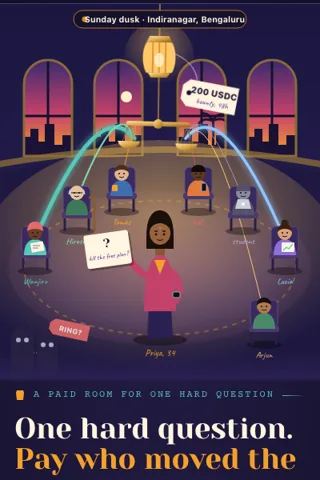
Pose a hard question, stake a bounty, and pay the crowd by how much each answer moved the final consensus.
 LIVE DEMO
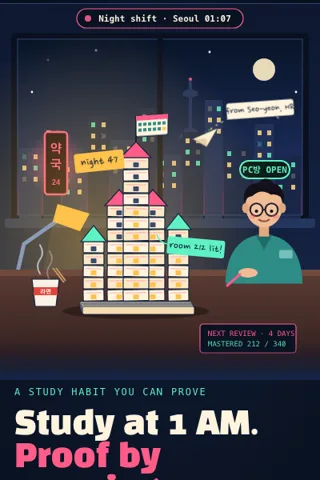
Turn what you are learning into spaced repetition decks that prove your streak and mastery onchain.
 LIVE DEMO
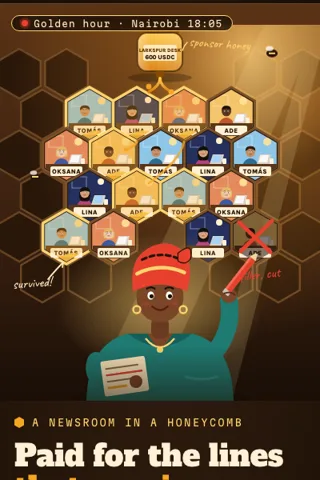
A group writes one living briefing together and everyone is paid by the lines that survive edits.
 LIVE DEMO
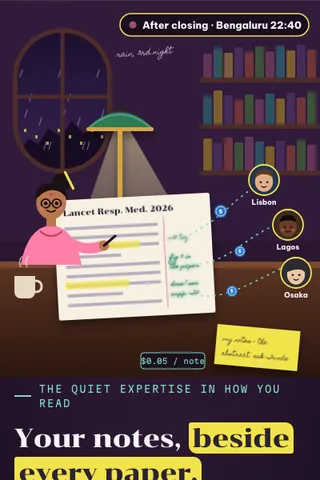
Your highlights and annotations on any article become a collectible, tippable layer others can subscribe to.
 LIVE DEMO
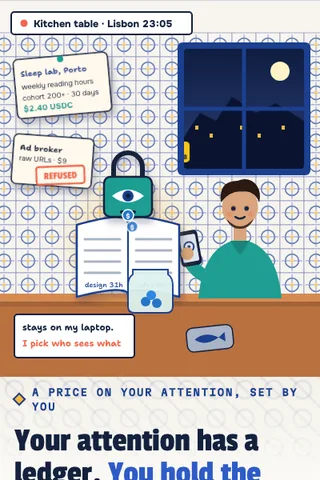
Keep a private log of what you read and watch, then sell anonymized slices only when you choose.
 LIVE DEMO
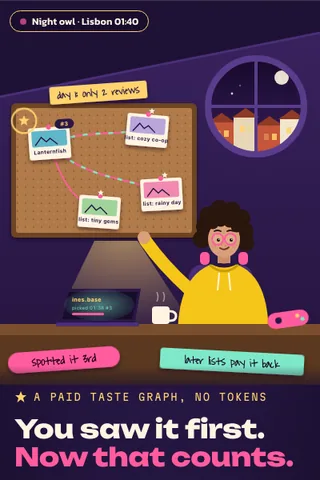
Curate a list early, and earn a share when the things you picked go on to be loved.
 LIVE DEMO
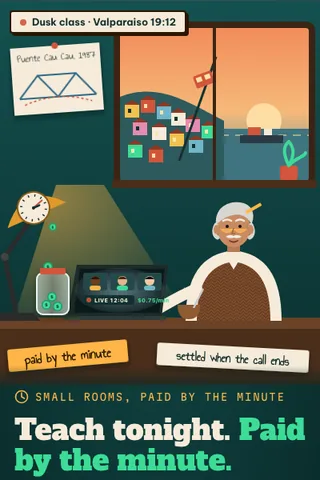
Teach live in small rooms where students pay per minute and you get paid the second the call ends.