 LIVE DEMO
Sealed Take
Everyone stakes a conviction, encrypted. The chain tallies it without ever seeing a single take. FHE on Base.
Ready now
$20Fhenix
 Try it live
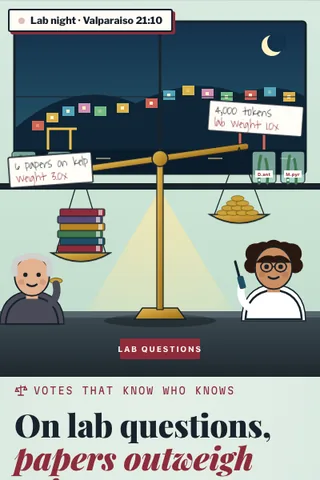
Votes weighted by proven expertise on the topic, not by wallet size.
Try it live, freeA research collective debates a lab protocol. Wisdom Weight lets members attach credentials (published papers, peer attestations), and votes on lab questions weigh the biologists more while budget votes stay one person one vote.
Credential linking via EAS, topic categories, weighting rules per category, proposal and vote UI, transparency report.
Reshape it entirely: new features, your flows, your brand end to end, integrations you need. We scope it with you.
Topic-scoped expertise voting is live in Colony; this would be a lighter packaging.
Colony weights votes by domain-scoped reputation earned from contributions, and DeXe offers expert-weighted voting models.
Checked with web searches in October 2026. A search is not proof that nothing similar exists, and the market moves fast, so we recheck before every build.
Governance on Superchain; existing projects OK
Governance research; existing projects OK
The complete Wisdom Weight app: a community votes with expertise weighted on the questions it fits, capped, while money questions stay one person one vote, with sealed ballots, a public weight table, onchain tallies and a paywall built in.
Every buyer gets the same finished app. Basic branding and copy changes come through a quick form.
Your admin side: revenue, paywall editor, users, rules and the agent log.
Referral and growth mechanics, switched on when you are ready to grow.
Members always vote free. Groups pay a monthly plan for custom rules, more topics and the checker agent; networks of groups pay for shared attestations and funder reports.
Paid in USDC on Base by default, other chains or card on-ramp optional. Gas for attestations and tallies is usually under one cent and can be sponsored by the owner.
Prices are yours to set. Illustrative, not a promise of income.
Votes that know who knows: expertise counts on the questions it fits, capped, and money never buys it.
Problem: Research collectives, open source groups and professional communities decide technical questions by token or headcount, so a lab protocol can be set by whoever holds the most tokens. Pure expert rule is no better: it hands the purse to a few.
Solution: Members link papers by DOI and receive peer vouches on EAS, tagged by topic. On a topic, credentials add capped weight; money questions stay one person one vote. The weight table is public before every vote and the tally is recorded onchain.
Why now: Attestations on OP Stack chains cost under a cent, embedded wallets remove crypto friction, and small models can re-check DOIs and catch attestation rings cheaply.
Market: Research collectives, open source projects, clinics, co-ops and professional associations that make technical decisions together and answer to funders.
The ask: Three pilot groups (a research collective, an open source project and a co-op) and public goods grants to publish the weighting schema.
Funding is never guaranteed. Check each program's rules.
Many hackathons require code written at the event. See the Regatta Boardfor each race's rule.
Custom work from $1,000: your own credential types (licences, commits, certifications), integrations with ORCID, GitHub or a member CRM, extra languages, or a branded deployment for a network. Scoped on a call.
Research collectives, open source groups and professional communities make technical decisions by token or headcount, so a lab protocol can be set by whoever holds the most tokens. Pure expert rule is no better: it hands the purse to a few. Groups need expertise to count on the questions it fits, and only there.
This exists. Colony weights votes by domain scoped reputation earned from contributions, and DeXe offers expert weighted voting models. Research verdict: exists, low novelty. What this app adds is a lighter packaging for small groups: credentials linked from papers by DOI and peer attestations on EAS, weighting rules set per topic, a hard cap per person, money questions kept one person one vote by default, a public weight table before every vote, and a checker agent that catches retractions and attestation rings.
EAS attestations for peer vouches and linked credentials, topic tags, the weight table snapshot taken before each vote, tallies and the rule used. Paper metadata from public DOI records including retraction status. Individual ballots stay sealed to members; flags stay with reviewers.
Let communities give knowledge a fair voice on the questions it fits, without turning it into a crown or letting money buy it.
See why someone weighs more The public weight table shows every credential behind a number, so weight feels earned, not granted.
Monday bench brief Open votes in your topics, your weight per topic and one peer's work to review. Vouching is a small weekly habit that builds the group's map of who knows what.
Three tallies side by side Every result shows how it would have gone under one person one vote and under tokens, which makes the trade off visible and starts good arguments.
Identity: Members sign in with an embedded wallet (for example Privy). Optional ORCID link to pull their own papers.
Credentials: Papers are linked by DOI and checked against public metadata including retractions. Peer vouches are EAS attestations on Optimism, Base or Arbitrum, tagged by topic, and count only from members who already hold weight in that topic.
Rules contract: A governor style contract stores topics, points per credential type, the cap per person and which topics stay one person one vote. Rule changes are themselves votes.
Snapshot and tally: Before each vote the weight table is computed offchain, published, and its hash committed onchain. Ballots are sealed until close, then tallied against that snapshot, with the tally and rule recorded onchain.
Checker agent: A scheduled agent on a small model tier (for example Claude Haiku) re-checks DOIs every 30 days, detects closed attestation rings and drafts flags for two human reviewers. It never sets weights.
Notifications: Email or Telegram for the Monday brief and vote openings.
On an OP Stack chain an attestation or tally transaction usually costs well under one cent. The checker agent uses about 3,000 tokens per credential check on a small model tier, roughly $0.003 to $0.02 each. A 30 member group with 75 credentials and 4 votes a month runs about $2 to $5 a month, mostly email and hosting.
Peer attestations are portable: a member vouched for in one group carries that attestation to the next, which pulls neighbouring groups in. Groups share their weight rules as templates, and governance researchers cite the side by side tallies.
Credentialism: Papers miss tacit knowledge, like a fisher who knows the kelp beds. Peer attestations, caps and keeping money votes equal limit it; groups should review rules yearly.
Attestation rings: Only weighted members can vouch, rings are flagged, and vouches fade after 18 months.
Bad credentials: Retractions are checked on a schedule and weight is recomputed. Members can contest a flag to two reviewers.
Capture by insiders: Caps per person and published tables keep any one member from dominating; rule changes require a vote of everyone.
Privacy: Who voted which way stays sealed. Credentials are public only to the extent the member chooses to link them.
Costs and tools are estimates at the time of writing. General information only, not legal or financial advice.
Nine routes from one vessel. Tap a port to open its chart.
Token voting hands decisions to whoever holds the most coins, even on questions only experts can judge. Wisdom Weight lets members attach credentials and peer attestations, weighs votes by proven expertise on each topic, and keeps budget votes one person one vote. Owning it means you run the governance tool for research collectives, guilds and clubs: your weighting templates, your clients and your subscription revenue.
Yes. Credential linking via EAS, topic categories, per topic weighting rules, proposal and vote UI and transparency report are built. You configure topics and caps and deploy from your wallet with the guide.
It can be, which is why it applies only to topics where expertise matters and budget or values votes stay one person one vote. Weight caps stop any single expert dominating. Publish the rules.
Linked credentials (papers, certifications) and peer attestations from other members. It is not perfect; let members challenge a credential and review weights each season.
Not easily. Start with a new decision, not a migration: one technical question run in Wisdom Weight alongside the usual vote.
Yes: contracts and schemas deploy from your wallet and every collective you onboard runs on your instance.
Collectives, research DAOs and professional guilds pay a monthly subscription per organization for expertise weighted voting and transparency reports.
Illustrative stages, not a forecast. Results depend on you and the market; nothing here is guaranteed.
LIVE DEMOEveryone stakes a conviction, encrypted. The chain tallies it without ever seeing a single take. FHE on Base.
 LIVE DEMO
Governance by text-sized questions: one decision a week, answered in ten seconds, with real quorum.
 LIVE DEMO
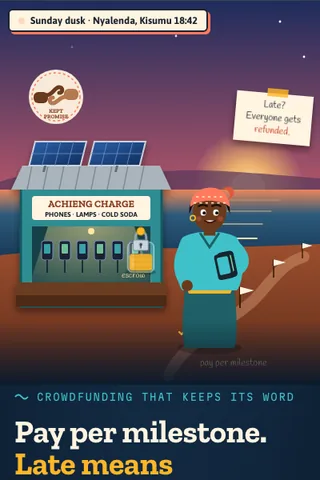
Crowdfunding where backers get refunded by contract if the goal or the milestones are missed.
 LIVE DEMO
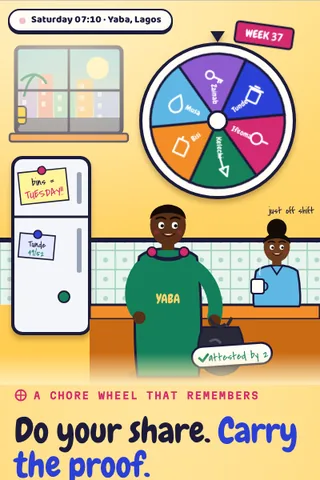
A shared house or club tracks who did the work, and the record becomes everyone's portable reliability score.
 LIVE DEMO
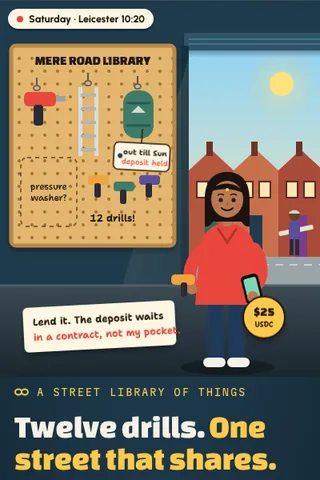
Lend the ladder, the drill, the tent: a street library of things with deposits held by contract.
 LIVE DEMO
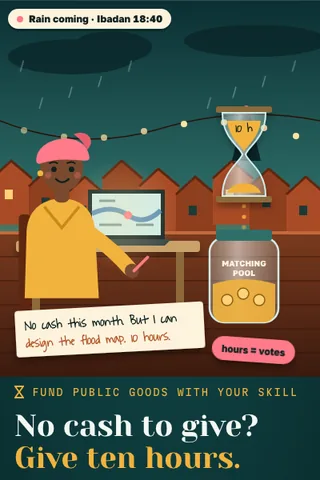
Fund a public good with hours of your skill, not just money, and get matched like a donation.
 LIVE DEMO
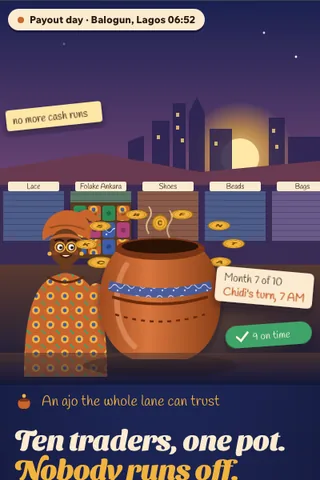
A rotating savings circle (ajo, susu, chama) with payouts enforced by contract and trust scores for members.
 LIVE DEMO
Retro funding for the quiet helpers: the community nominates who mattered, a pot pays them.