 LIVE DEMO
Fix Proof
Tradespeople log each repair with photos and a customer signature, sealed onchain as a warranty.
Reserve · refundable deposit
$159Base · Polygon +1
 Try it live
Paste any link or signature request and see, in plain words, what it would really do to you.
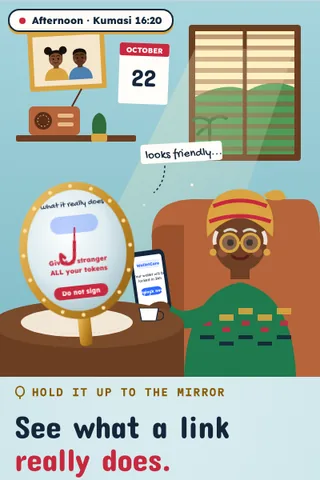
Try it live, freeGran gets a message saying her wallet will be locked. She pastes the link into Scam Mirror and reads: this page asks to move all your tokens to a stranger. She closes it.
Link and signature simulation, plain-language verdict, trusted helper alert.
Reshape it entirely: new features, your flows, your brand end to end, integrations you need. We scope it with you.
Plain-language signature explanation exists; a paste-in standalone page is only a packaging change.
Pocket Universe, Wallet Guard, Blockaid and Noves Foresight already turn transactions into plain-English previews.
Checked with web searches in October 2026. A search is not proof that nothing similar exists, and the market moves fast, so we recheck before every build.
Safety tooling; existing projects OK.
The complete Scam Mirror app: paste any link or signature request and read, in one plain sentence, what it would really do, with a trusted circle that hears about red quietly and a paywall for family tools built in.
Every buyer gets the same finished app. Basic branding and copy changes come through a quick form.
Your admin side: revenue, paywall editor, users, rules and the agent log.
Referral and growth mechanics, switched on when you are ready to grow.
Checking a link is free forever. Families pay a small monthly fee for the family tools, and churches, senior centres and clubs pay for a community desk.
No per check fee. Registry attestations cost a cent or two each on Base and can be sponsored by the owner.
Prices are yours to set. Illustrative, not a promise of income.
Hold any link up to the mirror and read, in one plain sentence, what it would really do to your wallet.
Problem: People new to wallets, often older relatives, get messages that their wallet will be locked and links asking for signatures they cannot read. Warnings are written for experts, and family hears about it after the money is gone.
Solution: A paste-in page that simulates the request, decodes signatures, says what would leave the wallet in one sentence, pauses on red and quietly tells a trusted helper.
Why now: Cheap simulation APIs, Permit2 style signature scams, small models that write plain sentences, and cheap attestations on Base for a shared hook registry.
Market: Families helping relatives use crypto, plus churches, senior centres, clubs and community groups that already run phone scam awareness.
The ask: Pilot partners: two community desks and one wallet willing to read the registry, plus public goods grant funding for the open hook registry.
Funding is never guaranteed. Check each program's rules.
Many hackathons require code written at the event. See the Regatta Boardfor each race's rule.
Custom work from $1,000: your own languages and voices, a branded desk for a church network or bank, integration with a wallet or support inbox, or extra chains. Scoped on a call.
People who are new to wallets, often older relatives, get messages that their wallet will be locked and links that ask for a signature they cannot read. Wallet warnings are written for experts, and the family members who could help only hear about it after the money is gone.
This exists. Pocket Universe, Wallet Guard, Blockaid and Noves Foresight already turn transactions into plain English previews, mostly inside browser extensions and wallets. Research verdict: exists, low novelty. What this app adds is packaging for families: a standalone paste-in page that works without installing anything, one plain sentence first, a trusted circle that gets a quiet heads up on red, a short pause that breaks the hurry, and a weekly spot-the-hook habit with someone the user trusts.
The pasted link or signature request, a simulation of its effects against a read-only copy of the user's public balances, site age and reputation signals, and the trusted circle list. Checks are kept on the user's device and shared only with their circle. Reported hook pages are attested publicly without any user data.
Let families protect each other from hooks, in plain words, before anything is signed.
One sentence, no jargon This page asks you to let a stranger move all your tokens. People understand that on the first read.
Someone has your back A grandchild or friend hears about red requests quietly, without the user feeling watched or blocked.
Sunday spot-the-hook Three real examples a week with a person you trust, and a small streak to keep.
Paste-in page: A mobile web app on Base, Ethereum, Arbitrum and Solana where the user pastes a link, transaction or signature request. No extension or wallet connection needed; a public address is enough.
Simulation: Transactions are simulated against current state using a simulation API (for example Tenderly or Noves) to see exactly what leaves the wallet.
Signature decoding: Typed signatures such as Permit and Permit2 are decoded into the spending right they create, since they move nothing when signed but can be used later.
Plain words: A small model (for example Claude Haiku tier) turns the structured result into one sentence at a reading level the user chooses, with the details behind a tap. The verdict itself comes from rules, not the model.
Trusted circle alerts: Push or WhatsApp Business messages to chosen helpers on red, optionally amber, with no amounts unless the user allows it.
Public hook registry: Confirmed hook pages and spender addresses are attested on Base with EAS so other checkers can use them.
Per check: a simulation call is typically fractions of a cent to about a cent on paid API plans, and the plain-language sentence uses a few hundred tokens, well under $0.01 at small model prices. A hook attestation on Base costs a cent or two in gas. Example month: a family app doing 5,000 checks costs roughly $20 to $60 in APIs, plus hosting and messaging fees.
Every closed hook becomes a share card a grandchild posts. Helpers install it for the next relative. Community groups adopt it as a standard tool for members, and reported hooks make every check better.
False safety: A green result is not a guarantee. The app says what it checked, and new tricks can slip through, as the Permit2 miss showed.
False alarms: Red on a legitimate send erodes trust. Circle members confirm new addresses, and amber is used for fixable cases.
Privacy: Pasted content and the circle list stay on the device and with chosen helpers. Alerts carry no amounts by default.
Abuse by helpers: Helpers only receive heads ups. They cannot see balances, block, or act on the wallet.
Impersonation: Scammers may copy the app's look. It never asks for seed words or a wallet connection, and says so on every screen.
Reports: Wrongly reported pages need a review and appeal path before an attestation is published.
Costs and tools are estimates at the time of writing. General information only, not legal or financial advice.
Nine routes from one vessel. Tap a port to open its chart.
Wallet security tools live inside browser extensions most people's parents will never install. Scam Mirror is a plain page: paste a link or a signature request and read, in plain words, what it would really do, with an alert to a trusted helper. Owning it means your family, your community or your customers get a safety page with your name on it, and you earn from the communities and businesses that want one of their own.
Yes. Link and signature simulation, the plain language verdict and trusted helper alert are built. You choose chains, name and colors and deploy from your wallet with the guide.
No tool catches everything. Word verdicts carefully, never say 'safe', say 'no known risk found', and tell people to ask a helper when unsure. Keep simulation providers up to date.
Some wallets warn, many do not, and warnings are often jargon. Your edge is plain words and a human helper, aimed at people who are not crypto natives.
Do not store pasted content longer than needed and say so. Never ask for seed phrases; put a big warning that nobody legitimate ever asks for one.
Communities, wallets and small exchanges that want a branded safety page, and families via a small helper plan.
Communities, DAOs and crypto businesses pay monthly for a branded safety page and helper alerts for their members. Families can pay a small plan for helper alerts.
Illustrative stages, not a forecast. Results depend on you and the market; nothing here is guaranteed.
LIVE DEMOTradespeople log each repair with photos and a customer signature, sealed onchain as a warranty.
 LIVE DEMO
Leave clear onchain instructions so the people you trust can reach your crypto if you cannot.
 LIVE DEMO
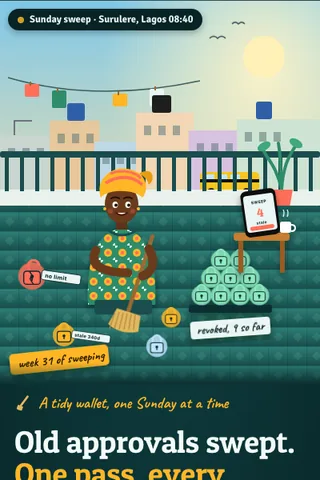
A weekly ritual that finds risky token approvals and lets you revoke them in one tidy pass.
 LIVE DEMO
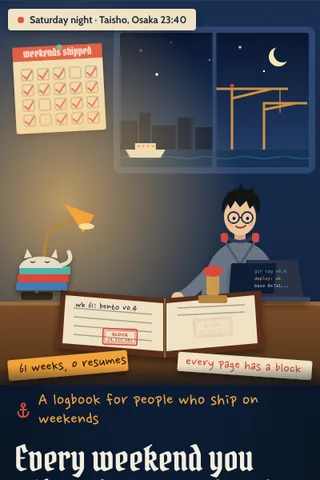
Every commit, deploy, and demo you ship becomes a signed, timestamped builder diary.
 LIVE DEMO
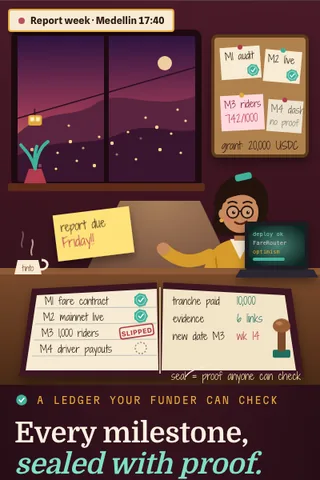
Show funders exactly what their grant built, milestone by milestone, with proof attached.
 LIVE DEMO
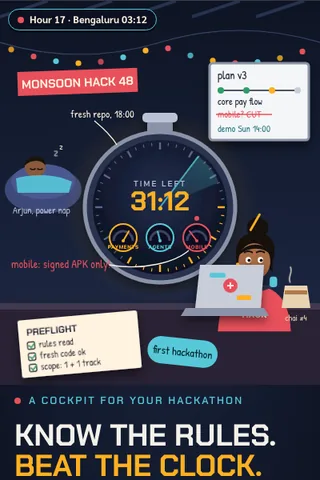
A hackathon cockpit that plans your scope, tracks bounties, and drafts a judge-ready submission.
 LIVE DEMO
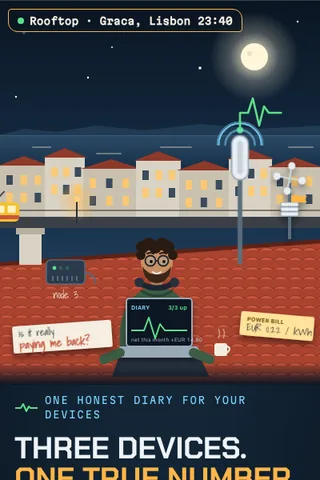
Your DePIN devices report uptime and earnings in one honest dashboard with tax-ready exports.
 LIVE DEMO
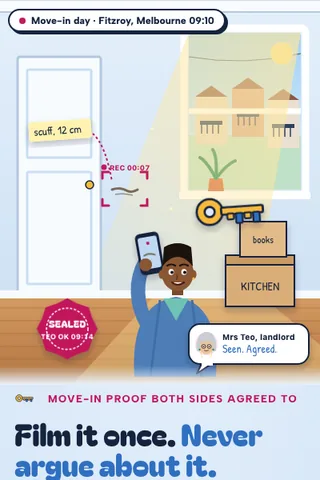
Tenants and landlords seal move-in photos and rent receipts so deposit disputes end fast.