 LIVE DEMO
Fix Proof
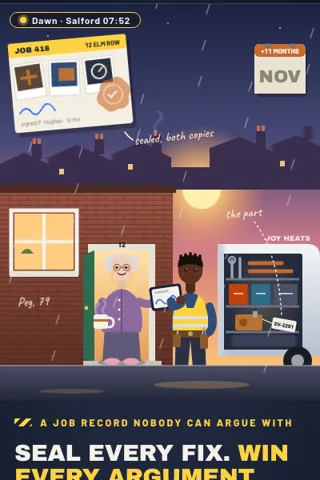
Tradespeople log each repair with photos and a customer signature, sealed onchain as a warranty.
Reserve · refundable deposit
$159Base · Polygon +1
 Try it live
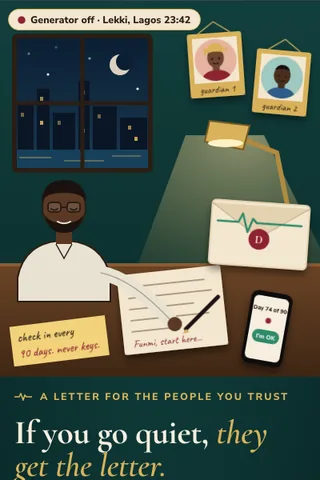
Leave clear onchain instructions so the people you trust can reach your crypto if you cannot.
Try it live, freeDele holds savings across three wallets and nobody in his family knows how any of it works. Handoff Vault lets him write plain-language instructions, encrypt them to two trusted contacts, and set a check-in heartbeat; if he misses 90 days of check-ins, the guardians get the letter, never his keys.
Heartbeat contract, encrypted letter builder, two to five guardians, email and wallet check-in reminders.
Reshape it entirely: new features, your flows, your brand end to end, integrations you need. We scope it with you.
Onchain inheritance is an established category; differentiation would be clarity of instructions and UX.
Dead man's switch inheritance is built by Sarcophagus, Casa and Nunchuk timelocks, plus many hackathon builds (DeadSwitch, Inheritance Switch, Digital Executor).
Checked with web searches in October 2026. A search is not proof that nothing similar exists, and the market moves fast, so we recheck before every build.
Fits safety-first consumer apps on Base; existing shipped projects OK (retroactive).
User safety public good angle; existing projects OK.
The complete Handoff Vault app: people write plain-words instructions for their crypto, seal them to two or more guardians, and check in now and then, with a paywall and helper agent built in. Never their keys.
Every buyer gets the same finished app. Basic branding and copy changes come through a quick form.
Your admin side: revenue, paywall editor, users, rules and the agent log.
Referral and growth mechanics, switched on when you are ready to grow.
Writing and sealing a letter is free and guardians never pay. Keepers pay for loud reminders and family tools, and law firms pay to offer it to every client.
No fee is ever charged to open a letter. Check-in gas (under $0.01 on Base) can be sponsored by the owner.
Prices are yours to set. Illustrative, not a promise of income.
A sealed letter for the people you trust, opened only if you go quiet. Never your keys.
Problem: Millions hold crypto nobody in their family could find or use. If they die or cannot act, savings are lost or relatives pay strangers who claim they can recover it.
Solution: A plain-words letter encrypted to two or more guardians, released only after a missed heartbeat, loud reminders, a guardian call and guardian confirmation. Only a fingerprint and the timer go onchain.
Why now: Cheap check-ins on Base, embedded phone and email wallets for non crypto relatives, and threshold encryption make a family-friendly handoff practical.
Market: Self-custody holders with family who do not use crypto, plus the lawyers and planners who serve them.
The ask: Pilot partners: two law firms in Lagos and London, and grant support from Base Builder Grants and Ethereum ESP.
Funding is never guaranteed. Check each program's rules.
Many hackathons require code written at the event. See the Regatta Boardfor each race's rule.
Custom work from $1,200: your own guardian flows and languages, a law firm or bank branded deployment, extra chains, or integrations with an estate planning CRM. Scoped on a call.
Millions of people hold crypto that nobody else in their family could find or use. If they die or become unable to act, savings are lost, or relatives pay strangers who claim they can recover it. People want to leave clear directions without handing over their keys while they are alive.
Onchain inheritance is an established category. Sarcophagus runs a decentralised dead man's switch, Casa and Nunchuk offer timelocked inheritance plans for bitcoin, and many hackathon builds (DeadSwitch, Inheritance Switch, Digital Executor) implement heartbeat release. Handoff Vault does not claim a new mechanism. Its focus is clarity and UX: a plain-words letter builder, release of instructions rather than keys, escalating reminders across channels with a guardian ping before the deadline, guardian key tests, and a hard refusal of early release while the heartbeat is live. Research verdict: exists, low novelty.
The sealed letter (encrypted client side to guardian keys), the heartbeat timer and check-in times, guardian addresses, reminder channel settings, and confirmation events. The letter text is never stored readable by the service and never published onchain; only its fingerprint and the timer are onchain.
Turn care for your family into a clear, durable plan they can actually follow.
Peace of mind in one tap A monthly check-in that takes a second and tells you the plan is current.
Never your keys Guardians get the way, not the money. Recovery words can stay with a lawyer or in a safe.
Loud before it opens Reminders escalate across email, SMS and WhatsApp, and a guardian is asked to call you before anything happens.
Heartbeat contract: A small contract on Base (or Arbitrum or Polygon) records check-ins from the owner's wallet and exposes whether the heartbeat has lapsed.
Letter encryption: The letter is encrypted in the browser. The key is split with threshold encryption (for example Lit Protocol conditions or Shamir shares) so guardians can decrypt only after the contract reports a lapse and the required guardians confirm.
Storage: The ciphertext is pinned to IPFS or Arweave; only its hash sits onchain.
Wallets: Privy embedded wallets for owners and guardians with email or phone login, so family members do not need crypto experience.
Reminders: A scheduler sends escalating reminders by email, SMS (Twilio) and WhatsApp, then a soft note to a guardian. No AI is needed for release decisions; a small model (Claude Haiku tier) may help draft the letter in plain words if the owner asks.
Guardian tests: Quarterly dummy-letter tests confirm each guardian can still decrypt on their current device.
A check-in on Base typically costs under $0.01 in gas; setup is a few cents. SMS reminders cost roughly $0.01 to $0.08 each depending on country. A typical user with 12 check-ins and a few reminders a year costs well under $2 a year to run, plus storage pinning of a few cents.
Every letter invites two or more guardians, who learn the product by being trusted with it and often write their own. Estate lawyers and planners can offer it to clients.
Legal status: A letter is not a will. The app must say so plainly and suggest a lawyer; rules on digital assets after death differ by country.
False release: A missed check-in could open the letter while the owner is alive. Escalating reminders, a guardian call, all-guardian confirmation, and re-sealing on return reduce this.
Coercion and scams: Fake relatives may pressure guardians. Early release is impossible while the heartbeat is live, and the owner is alerted on any attempt.
Lost guardian keys: A guardian who changes phones may lose access. Quarterly tests catch it and allow re-sealing.
Sensitive content: Owners may paste recovery words into the letter. The editor warns against it and suggests storing them separately.
Costs and tools are estimates at the time of writing. General information only, not legal or financial advice.
Nine routes from one vessel. Tap a port to open its chart.
Handoff Vault holds the most sensitive plan a person ever writes: who gets told what if they cannot be reached. When you own it, the heartbeat contract sits on your wallet, the brand on the check-in emails is yours, and every family that trusts it trusts you, not a faraway startup that could sunset the product. That trust is the business, and it compounds into an onchain record of a service that kept its word.
Handoff Vault is not a will and should never be sold as one. It delivers encrypted instructions to guardians the user chose; it never holds keys or moves funds. Say that plainly on your page, suggest users keep a proper will where they live, and avoid the words estate planning unless a local professional works with you.
The default is 90 days with reminder emails and wallet nudges at 60, 75 and 85 days, and users can pick a longer interval. Even when it fires, guardians only receive a letter, not keys, so a false trigger is awkward, not catastrophic. Tell users to test the flow with a short interval on a dummy letter first.
The heartbeat contract deploys from your wallet, the payout address is yours, and the domain and brand are yours. DEPLOYR builds and hands over; it does not sit in the middle of your users' check-ins.
That is the real hurdle, and it is why the first users should be people who already trust you: family, your crypto group, your clients. Show the open contract, show that no keys are stored, and let a verified contract plus ten real testimonials do the work before you spend on ads.
The contract keeps running onchain without you, but reminder emails need a live service. Keep the email sender on a plan you pay yearly, set a calendar check each quarter, and write your own Handoff Vault letter explaining how a trusted friend can keep the reminders running if you cannot.
Families and individual holders pay a yearly plan for active vaults with reminders, plus a one-time setup session for people who want help writing their letter. A second line sells white-label vaults to crypto advisors, accountants and DAO treasuries who want to offer this to their own clients. This is a target, not a promise.
Illustrative stages, not a forecast. Results depend on you and the market; nothing here is guaranteed.
LIVE DEMOTradespeople log each repair with photos and a customer signature, sealed onchain as a warranty.
 LIVE DEMO
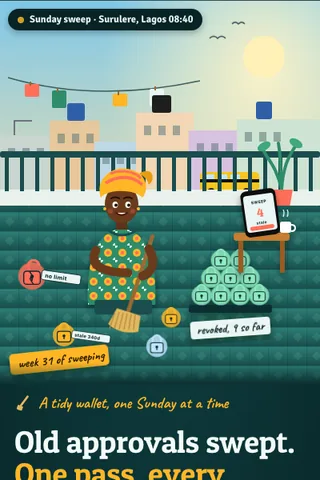
A weekly ritual that finds risky token approvals and lets you revoke them in one tidy pass.
 LIVE DEMO
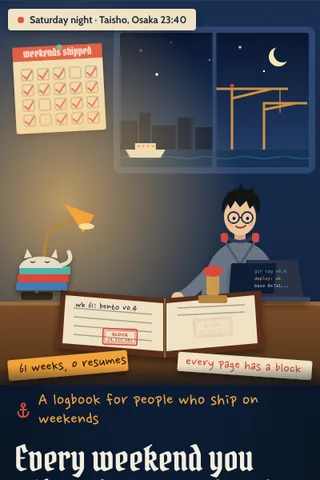
Every commit, deploy, and demo you ship becomes a signed, timestamped builder diary.
 LIVE DEMO
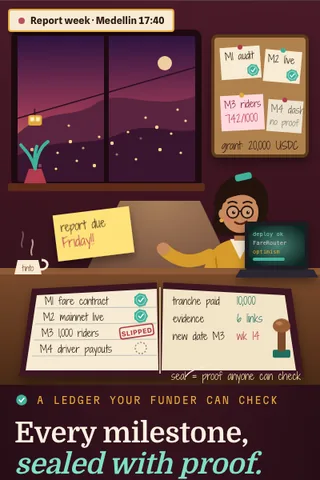
Show funders exactly what their grant built, milestone by milestone, with proof attached.
 LIVE DEMO
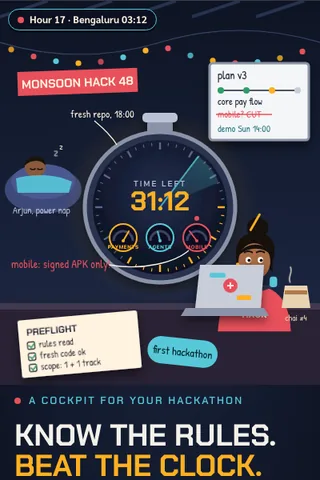
A hackathon cockpit that plans your scope, tracks bounties, and drafts a judge-ready submission.
 LIVE DEMO
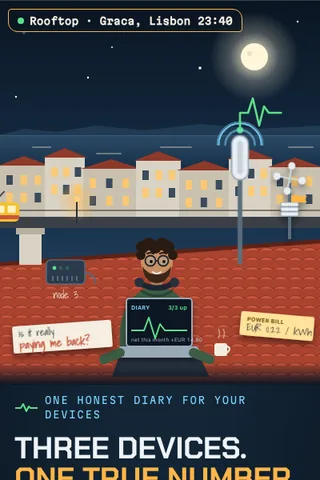
Your DePIN devices report uptime and earnings in one honest dashboard with tax-ready exports.
 LIVE DEMO
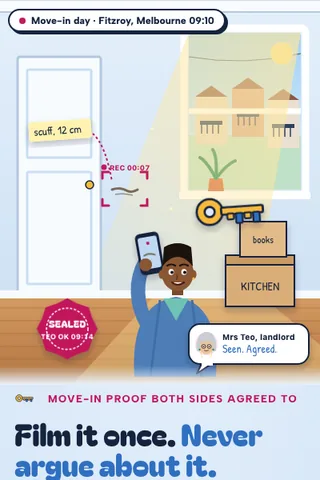
Tenants and landlords seal move-in photos and rent receipts so deposit disputes end fast.
 LIVE DEMO
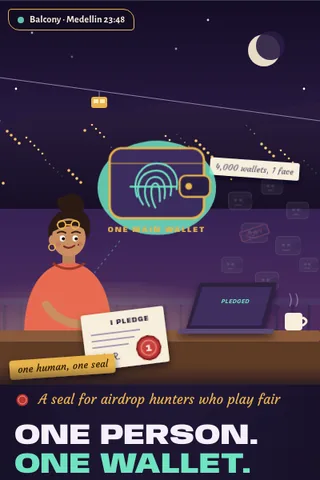
Airdrop hunters prove they are one real person with one main wallet and get ranked fairly.