 LIVE DEMO
Fix Proof
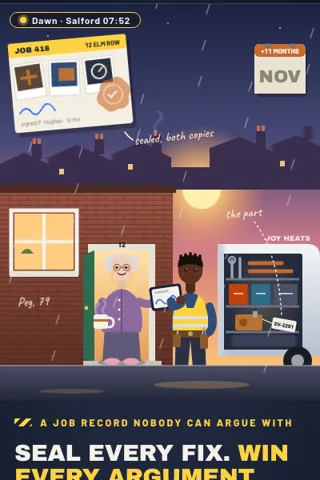
Tradespeople log each repair with photos and a customer signature, sealed onchain as a warranty.
Reserve · refundable deposit
$159Base · Polygon +1
 Try it live
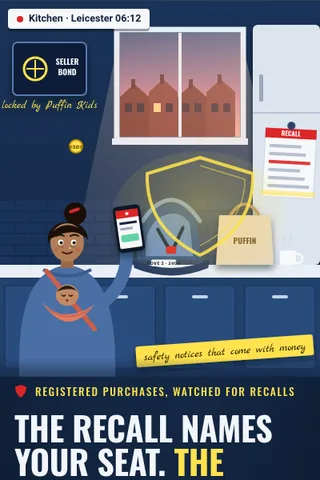
Product buyers get refunded automatically if an official recall names their item.
Try it live, freeParents who bought a baby car seat register their purchase; if the regulator's recall page lists it, Recall Watch pays out from the seller's bond.
Registration, seller bond, recall reader, payout.
Reshape it entirely: new features, your flows, your brand end to end, integrations you need. We scope it with you.
No product recall payout contract was found.
Recall alert apps off chain.
Checked with web searches in October 2026. A search is not proof that nothing similar exists, and the market moves fast, so we recheck before every build.
Ecosystem program for shipped apps; check current terms.
The complete Recall Watch app: buyers register what they bought with one photo, sellers post a bond, and validators read the official recall page to pay buyers automatically when their exact model and batch is listed.
Every buyer gets the same finished app. Basic branding and copy changes come through a quick form.
Your admin side: revenue, paywall editor, users, rules and the agent log.
Referral and growth mechanics, switched on when you are ready to grow.
Buyers never pay. Sellers pay monthly per bonded product line, the owner can take a small yearly fee on bonds, and retailers get custom plans.
Optional yearly fee on bonded amounts set by the owner (default 1 percent). Checks cost a few dollars a month per watched source.
Prices are yours to set. Illustrative, not a promise of income.
Product buyers get paid automatically from a seller's bond when an official recall names their item.
Problem: Recall notices rarely reach buyers, and refunds take forms, receipts and weeks, so dangerous products stay in use.
Solution: Buyers register with a label photo, sellers post a bond, and validators read the regulator's page to match the exact model and batch and pay from the bond.
Why now: Intelligent contracts can read official pages with consensus, and stablecoin bonds make instant payouts practical.
Market: Parents and buyers of safety critical products, and the sellers who want to stand behind them.
The ask: Pilot with three baby product brands and one parents network in the UK.
Funding is never guaranteed. Check each program's rules.
Many hackathons require code written at the event. See the Regatta Boardfor each race's rule.
Custom work from $1,700: your regulator sources, a retailer branded deployment, order data integration, or insurer reporting. Scoped on a call.
Product recalls reach only a fraction of owners. Registration cards go unreturned, notices are posted on regulator pages few people read, and getting a refund means finding a batch number and calling during office hours. For items like infant car seats, a missed recall is a safety risk.
Recall alerts already exist off chain: regulator email lists and recall alert apps notify people about recalls, and some retailers contact buyers directly. What is new here: a seller-funded bond locked per product line, buyer registration of exact model and batch, and GenLayer validators reading the official recall page and agreeing on a match before paying owners from the bond automatically. Research found no product recall payout contract. Alerts are not new; the bonded, automatic payout is.
Registered items (brand, model, batch, purchase date), the seller's bond and terms, the official recall page each validator reads, the notice text extracted with model, batch range and action, and the verdict. Label photos, names and addresses stay private and off chain.
Make a safety notice reach the people who own the product, and come with the money to act on it.
Told first, not last Owners hear about a recall that names their batch within hours, without watching the news.
Money with the warning The payout lands with the alert, so replacing an unsafe product is not a cost decision.
A Sunday all-clear A weekly sweep shows everything you own is clear and asks if you bought anything new.
Seller bond: Sellers lock USDC per product line in a GenLayer intelligent contract, with payout per owner and match rules shown on the product page.
Registration: Buyers register model and batch from a label photo; the app extracts the fields and records a hash of the registration onchain.
Reading the recall page: Every six hours, validators fetch the agreed official recall list and use an LLM to extract brand, model, batch range, exclusions and action for new notices.
Consensus and match: GenLayer's Optimistic Democracy requires validators to agree on the extracted notice and the match. Exact model string and batch range are required by default. Empty or changed pages count as unreadable.
Payout: Matching owners are paid from the bond, pro rata if it is short. Safety notices with a fix kit trigger alerts, and a small payment only if the seller set one.
Per check: one validator round reading one page is a few LLM calls, roughly a few cents to under a dollar depending on models and GenLayer fees at the time; four checks a day is a few dollars a month per watched source. Registration extraction from a photo is about a cent. Payouts batch. Hosting and the app about $30 to $60 a month. Bonds are the seller's money and only move on a matched recall.
Sellers display the bond badge at checkout because it sells safety. Every registration is a buyer who now trusts that brand more. Every recall payout is shared by relieved parents, and other sellers are asked why they do not have a bond.
Wrong match: Exact model and batch by default, exclusions read first, five validators must agree, and sellers can appeal within a set window before large payouts.
Page changes or goes down: Empty or changed pages are unreadable, never 'no recalls'. Checks rerun and owners are told the source is down.
Bond too small: Payouts are pro rata and the shortfall is shown, so buyers can see coverage before they buy.
Safety advice: The alert always repeats the regulator's own instruction and links to it. The app never tells anyone a product is safe beyond what the notice says.
Costs and tools are estimates at the time of writing. General information only, not legal or financial advice.
Nine routes from one vessel. Tap a port to open its chart.
Recall Watch: Product buyers get refunded automatically if an official recall names their item. Using someone else's version means their rules, their brand and their revenue. Owning Recall Watch means it is deployed under your wallet, carries your name, and every customer, partner and result builds your track record instead of theirs.
Recall Watch arrives deployed with a guide. Running it is settings and sharing links, not code. If you get stuck, we help you ship it.
Start with ten people you already know. The first move below takes under an hour and tells you fast whether people care.
Each step is sized in minutes. Most owners spend an hour a week, and the app does the repetitive part.
Nothing is guaranteed. The playbook gives you a clear path and honest numbers, and you decide how far to take it.
Charge the people who get the most value from Recall Watch: a monthly plan for groups or teams, plus setup fees for anyone who wants it done for them.
Illustrative stages, not a forecast. Results depend on you and the market; nothing here is guaranteed.
A starter chart. A fuller, app-specific playbook is being written.
LIVE DEMOTradespeople log each repair with photos and a customer signature, sealed onchain as a warranty.
 LIVE DEMO
Leave clear onchain instructions so the people you trust can reach your crypto if you cannot.
 LIVE DEMO
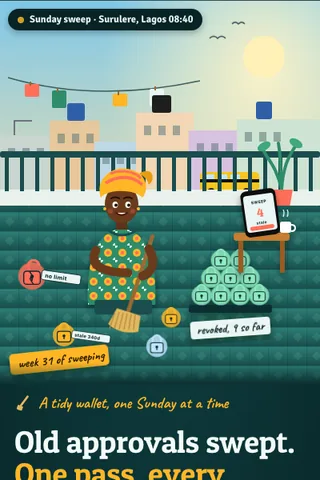
A weekly ritual that finds risky token approvals and lets you revoke them in one tidy pass.
 LIVE DEMO
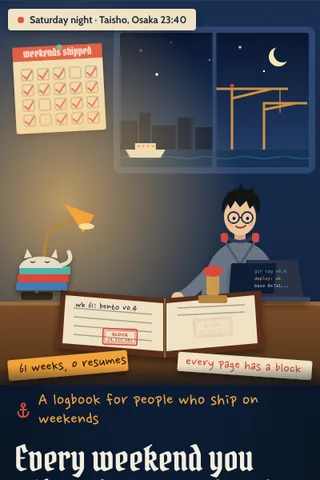
Every commit, deploy, and demo you ship becomes a signed, timestamped builder diary.
 LIVE DEMO
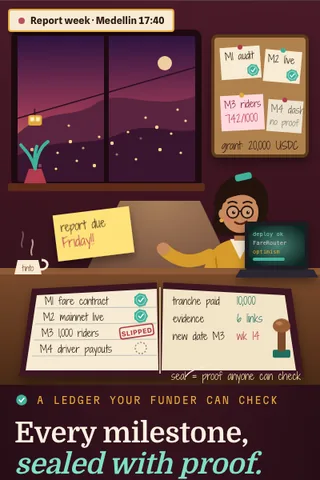
Show funders exactly what their grant built, milestone by milestone, with proof attached.
 LIVE DEMO
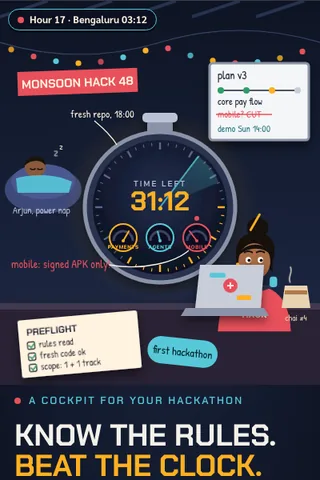
A hackathon cockpit that plans your scope, tracks bounties, and drafts a judge-ready submission.
 LIVE DEMO
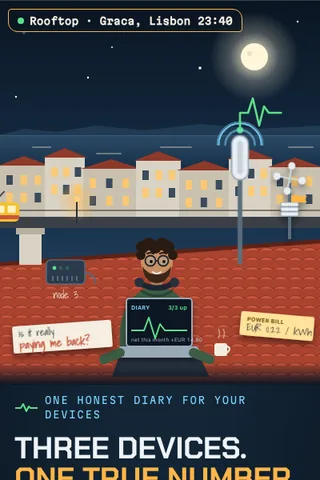
Your DePIN devices report uptime and earnings in one honest dashboard with tax-ready exports.
 LIVE DEMO
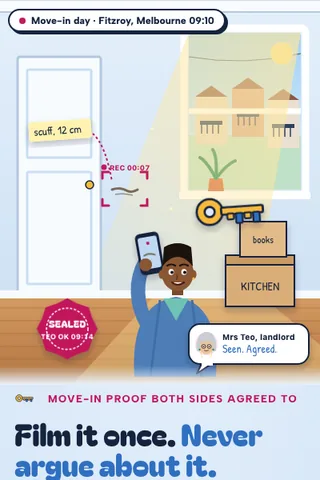
Tenants and landlords seal move-in photos and rent receipts so deposit disputes end fast.