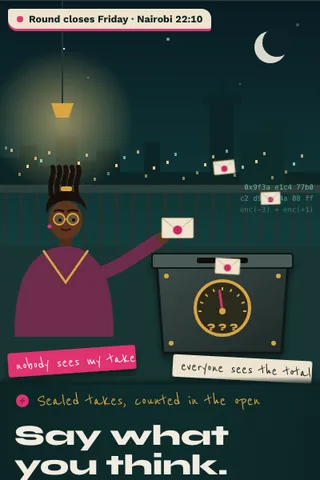
 LIVE DEMO
Sealed Take
Everyone stakes a conviction, encrypted. The chain tallies it without ever seeing a single take. FHE on Base.
Ready now
$20Fhenix
 Try it live
Event tickets that can only be passed to people you actually know, at the price you paid.
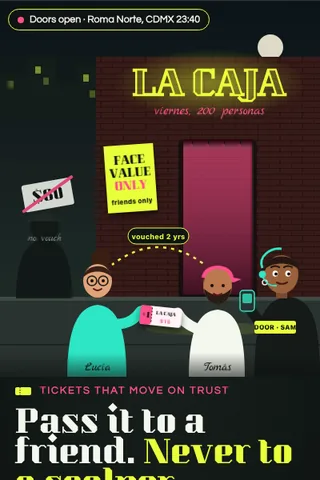
Try it live, freeSam runs 200-cap club nights that get scraped by resellers. With Plus One, a ticket can be transferred only to a wallet the holder has vouched for before, and only at face value. Someone who can't go hands it to a friend in two taps, and the door scan shows the full hand-me-down chain.
Ticket contract with face-value lock, vouch list per holder, friend transfer flow, door scanner page, organizer dashboard.
Reshape it entirely: new features, your flows, your brand end to end, integrations you need. We scope it with you.
Uses the holder's own vouch graph as the transfer rule, so tickets flow through friendships instead of marketplaces, with face value enforced by contract.
Citizen Ticket allows identity-bound friends-and-family transfers; Tickethead caps resale markups; True Tickets limits transfer counts. None combine a social vouch graph with contract-enforced face value.
Checked with web searches in October 2026. A search is not proof that nothing similar exists, and the market moves fast, so we recheck before every build.
Consumer ticketing app on Base.
Fits if deployed on Solana.
The complete Plus One app: event tickets that can only be passed to people the holder vouched for earlier, at face value, with a door scanner that shows every hand, a paywall, owner console and door agent built in.
Every buyer gets the same finished app. Basic branding and copy changes come through a quick form.
Your admin side: revenue, paywall editor, users, rules and the agent log.
Referral and growth mechanics, switched on when you are ready to grow.
Organizers pay a small fee per ticket sold. Promoters pay a little more for pattern alerts, branded pages and more venues, and festivals sign custom contracts. Guests never pay extra and passes between friends are free.
Gas on Base is under $0.01 per ticket mint or pass and is paid by the app.
Prices are yours to set. Illustrative, not a promise of income.
Tickets that move on trust: passed only to friends, only at face value.
Problem: Small event organizers watch nights sell out to bots and resellers while real fans pay several times face value, and fans who cannot go have no fair way to hand a ticket to a friend.
Solution: A ticket contract only allows a transfer to a wallet the holder vouched for days earlier, at exactly face value, within a pass limit. Guests sign in by email; the door scanner shows the whole chain.
Why now: Email wallets make onchain tickets invisible to guests, and gas on Base is low enough that a $1 fee covers everything many times over.
Market: Independent clubs, promoters and small festivals across Latin America and beyond.
The ask: Pilot with five CDMX venues and partnerships with two promoter collectives.
Funding is never guaranteed. Check each program's rules.
Many hackathons require code written at the event. See the Regatta Boardfor each race's rule.
Custom work from $900: venue branding, door hardware integrations, local payment methods or festival gate setups. Scoped on a call.
Small event organizers watch their nights sell out to bots and resellers, then see real fans pay several times face value or miss out, while resold tickets often go unused. Fans who genuinely cannot go have no fair, easy way to hand a ticket to a friend.
Restricted transfer exists already: Citizen Ticket allows identity-bound friends-and-family transfers, Tickethead caps resale markups, and True Tickets limits transfer counts. What is different here is combining the holder's own vouch graph as the transfer rule with face value enforced by the ticket contract, plus a door view of the full hand-me-down chain. Novelty is medium: each piece exists somewhere, the combination was not found.
Ticket ownership and transfer history on Base, each holder's vouch list (pairs of wallets and the time each vouch was made), the face value per event, the pass limit and minimum vouch age set by the organizer, and door check-ins. Names, phone numbers and emails stay in the app database, not onchain.
Let tickets travel through friendships at the price paid, so the people in the room are the people who wanted to be there.
Two taps to a friend Can't go? Pick someone you vouched for and they hold the ticket, and you get your money back at face value.
The door sees the chain Staff see who bought it and every hand it passed through, so a friend's ticket is never mistaken for a scalped one.
Thursday crew check Guests vouch for the friends they would trust with a ticket, which builds the list that makes Friday swaps possible.
Event created: The organizer deploys a ticket contract from their own wallet on Base with face value, pass limit and minimum vouch age.
Email login wallets: Guests sign in with email through an embedded wallet, so no seed phrase is needed to buy or receive a ticket.
Vouching: Each guest adds people they know. Each vouch is recorded with a timestamp.
Transfer rule: The contract only allows a transfer to a wallet the holder vouched for at least the minimum age ago, at exactly face value, within the pass limit. Anything else reverts.
Door scanner: A web page reads the ticket and its chain, caches the night's chains before doors, and shows a clear valid or not.
Door agent: Watches patterns such as many fresh vouches toward one account and suggests rule changes to the organizer. It cannot change rules itself.
Each ticket mint or pass on Base costs a fraction of a cent in gas, typically under $0.01, paid by the app. Hosting and the embedded wallet service are roughly $20 to $50 a month for a small venue. A $1 organizer fee per ticket covers this many times over at 200 tickets a night.
Every pass brings a new guest into the app through a friend, and that guest then vouches for their own friends. Organizers tell other organizers when their resale listings drop. Each event page carries a small Plus One mark linking to setup.
Cash off the app: People can still sell a login or screenshot for cash. The door check shows the current holder's name to reduce this, but it cannot stop it fully.
Fake vouches: Resellers may ask buyers to vouch for them. Minimum vouch age and the door agent's pattern alerts are the guardrails.
Wallet friction: First time guests may struggle. Email login and a staff phone at the door on night one help.
Local rules: Ticket resale is regulated in many places. Face value caps usually help, but organizers should check their city's rules.
Costs and tools are estimates at the time of writing. General information only, not legal or financial advice.
Nine routes from one vessel. Tap a port to open its chart.
Small events lose their crowd to resellers and bots. Own Plus One and you run the ticketing that keeps tickets with friends, at face value, from your wallet and brand. The organizers, the fees and the community are yours.
They might. Use an email login wallet, and keep a staff phone at the door to help on the first night.
In many places it is, and face value caps often help you. Check local rules for your city.
You do not need to. Plus One arrives working, deployed from your own wallet with a written guide for every step. You will click, paste and fill in names. If you ever want a change you cannot make, the custom option or a freelancer can handle it, but the first launch needs no code.
Yes. The contract is deployed from your wallet on Base, the code sits in your own git repo, and the name and brand are yours. DEPLOYR does not hold your keys or take a cut of what Plus One earns. If you stop paying anyone tomorrow, the app keeps running on your wallet.
That is the most likely early outcome, and it is fixable. The paths below start with you as the first user, then ten real small event organizers fighting scalpers you can name today. If ten people you message do not care after you have shown it to them, you have learned something useful in a week instead of a year.
A small fee per ticket (around 1 dollar), plus a monthly plan for venues and promoters running regular nights. This ladder is a target, not a promise.
Illustrative stages, not a forecast. Results depend on you and the market; nothing here is guaranteed.
LIVE DEMOEveryone stakes a conviction, encrypted. The chain tallies it without ever seeing a single take. FHE on Base.
 LIVE DEMO
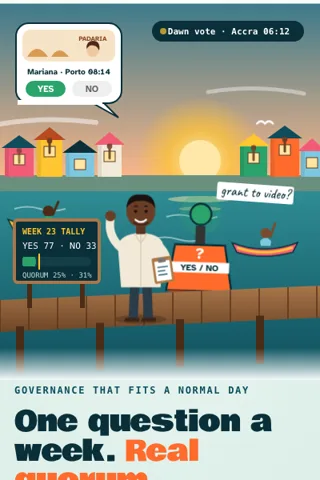
Governance by text-sized questions: one decision a week, answered in ten seconds, with real quorum.
 LIVE DEMO
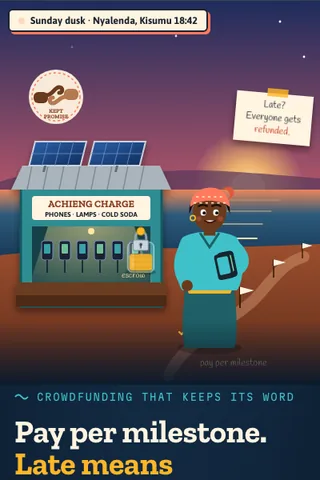
Crowdfunding where backers get refunded by contract if the goal or the milestones are missed.
 LIVE DEMO
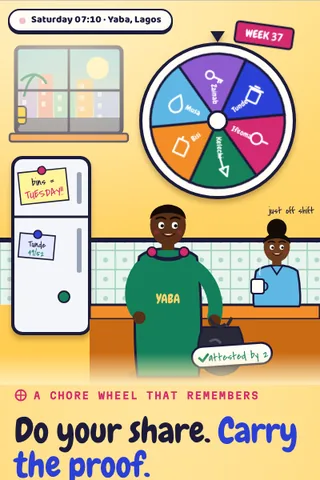
A shared house or club tracks who did the work, and the record becomes everyone's portable reliability score.
 LIVE DEMO
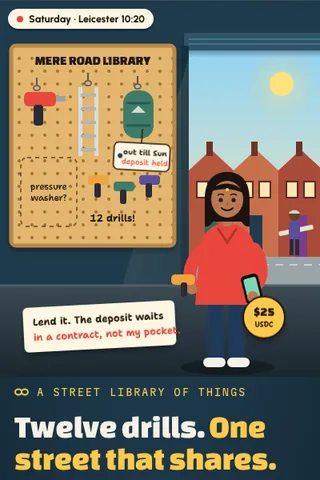
Lend the ladder, the drill, the tent: a street library of things with deposits held by contract.
 LIVE DEMO
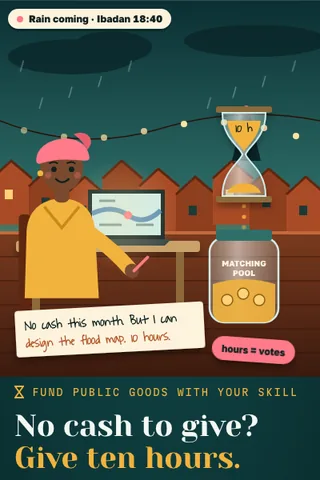
Fund a public good with hours of your skill, not just money, and get matched like a donation.
 LIVE DEMO
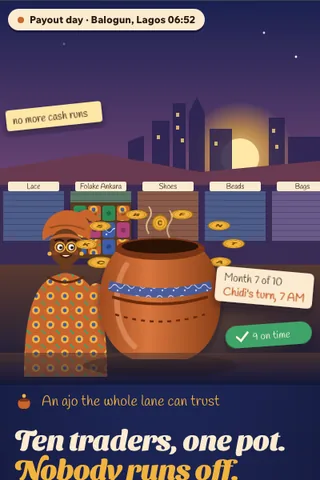
A rotating savings circle (ajo, susu, chama) with payouts enforced by contract and trust scores for members.
 LIVE DEMO
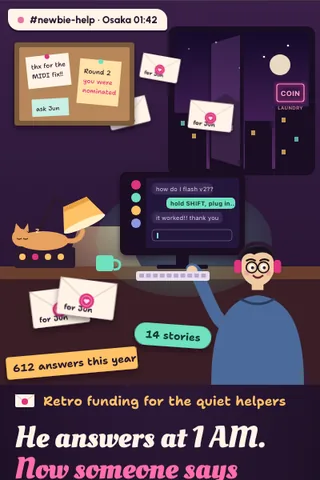
Retro funding for the quiet helpers: the community nominates who mattered, a pot pays them.