 LIVE DEMO
Fix Proof
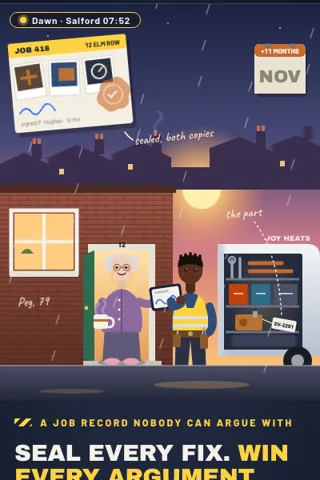
Tradespeople log each repair with photos and a customer signature, sealed onchain as a warranty.
Reserve · refundable deposit
$159Base · Polygon +1
 Try it live
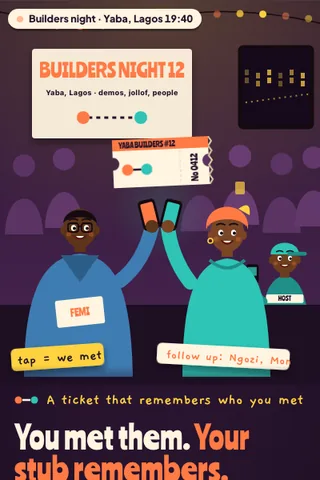
Meetup hosts check people in and attendees keep a stub that remembers who they met there.
Try it live, freeAt a Lagos builder meetup, guests scan in at the door and tap phones to connect with people they meet. Weeks later, Femi opens his stub and sees the three people he promised to follow up with.
Check-in QR, attendee stubs, tap-to-connect, follow-up reminders, host analytics.
Reshape it entirely: new features, your flows, your brand end to end, integrations you need. We scope it with you.
Meeting proofs exist via POAP; bundling mutual connections into the attendance stub is a modest step.
POAP offers "You Met Me" templates and meeting POAPs, and Luma handles check-in.
Checked with web searches in October 2026. A search is not proof that nothing similar exists, and the market moves fast, so we recheck before every build.
Consumer app; eligibility unknown, prior editions accepted existing projects.
Most events require building during the event.
The complete Event Stub app: meetup hosts check people in with live codes and attendees keep a stub that remembers who they met, with a paywall, host console and door agent built in.
Every buyer gets the same finished app. Basic branding and copy changes come through a quick form.
Your admin side: revenue, paywall editor, users, rules and the agent log.
Referral and growth mechanics, switched on when you are ready to grow.
Guests keep stubs free. Hosts pay a monthly plan for events and sponsor numbers, regular guests can pay for Stub Plus, and conference organisers pay for larger plans.
No per guest fee. Stub gas on Base, Celo or Polygon is a few dollars a month.
Prices are yours to set. Illustrative, not a promise of income.
Meetup hosts check people in and attendees keep a stub that remembers who they met there.
Problem: Meetups produce real connections that are forgotten by Monday, static QR tickets get forwarded, and hosts cannot show sponsors any outcome.
Solution: Rotating check in codes, a stub per event, two way tap links that count only when both people tap, and a follow up nudge timed to each guest, with hosts seeing counts only.
Why now: Phone wallets and cheap stubs on Base, Celo and Polygon make a keepsake per event practical, and builder communities are meeting in person again.
Market: Meetup hosts, community brands and conference organisers, and the builders who attend.
The ask: Pilot partners: five community hosts across Lagos, Accra and Nairobi, plus ecosystem community grants.
Funding is never guaranteed. Check each program's rules.
Many hackathons require code written at the event. See the Regatta Boardfor each race's rule.
Custom work from $1,000: your own branding and stub art, conference tracks, a CRM export for hosts, or a community branded deployment. Scoped on a call.
Meetups are where people find collaborators, jobs and co-founders, but most connections are lost by Monday. Hosts only see headcount, and guests leave with half-remembered first names.
Attendance and meeting proofs already exist: POAP offers event badges and 'You Met Me' style meeting templates, and Luma handles registration and door check-in. What Event Stub adds is modest: one stub per guest that bundles check-in with mutual, two-way tap connections, private notes and timed follow-up nudges, plus host analytics on connections rather than headcount. Research verdict: rare, medium novelty.
Registrations from the host, rotating check-in codes signed per guest, attendance stubs, mutual link proofs as hashed pairs, and private notes kept on each guest's device. Names and contacts never go onchain.
Make the people you meet in a room as easy to remember and reach as the talks you saw.
The dots Every two-way tap adds a dot to both stubs. People tap more when they can see the count grow.
The nudge A week later, at the hour you usually open it, the stub reminds you who you promised to follow up with.
Next event The stub shows who from your links is going to the next meetup, so people come back.
Sign in: Guests sign in with email or phone through Privy, which creates an embedded wallet for the stub. No seed phrases.
Check-in: Each guest's stub shows a QR that rotates every 30 seconds, signed by their stub key. The host's scanner app verifies it offline-tolerant.
Stubs: An attendance record minted as a soulbound token or an EAS attestation on Base, Celo or Polygon; gas is sponsored by the host through a paymaster.
Tap to connect: Phones exchange signed hellos over QR or NFC. A link is recorded only when both sign, stored as a hashed pair attestation.
Notes and nudges: Notes stay on device, encrypted backup optional. Push and email nudges are scheduled per guest's usual open hour.
Host dashboard: Counts of check-ins, walk-ins, links and follow-ups, aggregated. No who-met-whom by name.
Per guest per event: stub and link attestations on Base usually cost well under one cent each in gas, so a 150 person night with about 200 links costs roughly 1 to 3 dollars in sponsored gas. Push and email nudges add about 0.1 cents per guest. Hosting and the scanner app are fixed costs, around 20 to 50 dollars a month for a small operator. Check current gas and provider prices before launch.
Every stub carries the host's name and links to the next event. Guests who tap with someone not yet on the app invite them in one step. Hosts see follow-up numbers they can show sponsors.
Privacy: Who met whom is sensitive. Only hashed pairs go onchain, names show only to people you tapped, and hosts see aggregates.
Harvesting: Recruiters or spammers scanning badges. A link needs both people to tap; one-sided scans add nothing.
Ticket sharing: Static QRs get forwarded. Rotating signed codes expire before a screenshot is useful.
Safety: Guests can hide from the room, remove links and block. Hosts can remove a guest's stub for code of conduct reasons.
Connectivity at venues: Scanner verifies codes offline and syncs later, so a weak signal does not stop the door.
Costs and tools are estimates at the time of writing. General information only, not legal or financial advice.
Nine routes from one vessel. Tap a port to open its chart.
Event Stub lets meetup hosts check people in by QR, gives each attendee a stub that remembers who they met, and nudges follow ups weeks later. On a ticketing platform, the platform owns your attendee list and the connections made in your room. Own it, and every check in, every stub and every 'who I met at your event' memory belongs to you as the host, deployed from your wallet.
Some will, especially at builder meetups. Make it part of the welcome: 'tap three people before the talk'.
The stub should work with a simple sign in; wallets can come later. Test the flow with someone non technical before the event.
Check in QR, stubs, tap to connect, reminders and analytics come built.
Connections are only shared between the two people who tapped. Hosts see counts, not who met whom.
Yes. Deployed from your wallet on Base, Celo or Polygon.
Hosts pay per event or monthly; conference organisers and community brands pay for larger plans and sponsor analytics. This is a target, not a promise.
Illustrative stages, not a forecast. Results depend on you and the market; nothing here is guaranteed.
LIVE DEMOTradespeople log each repair with photos and a customer signature, sealed onchain as a warranty.
 LIVE DEMO
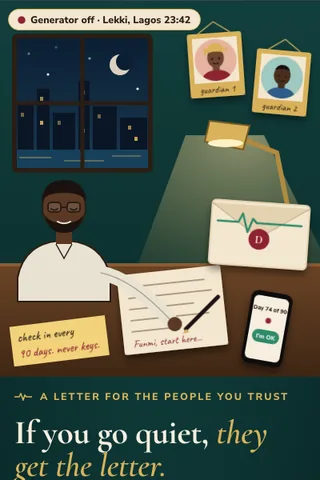
Leave clear onchain instructions so the people you trust can reach your crypto if you cannot.
 LIVE DEMO
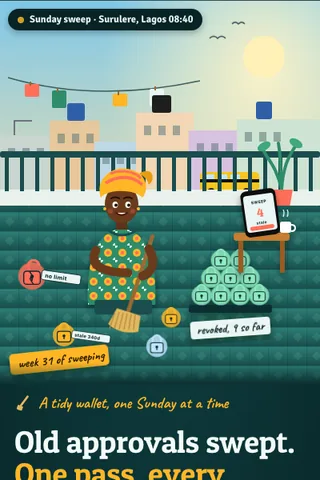
A weekly ritual that finds risky token approvals and lets you revoke them in one tidy pass.
 LIVE DEMO
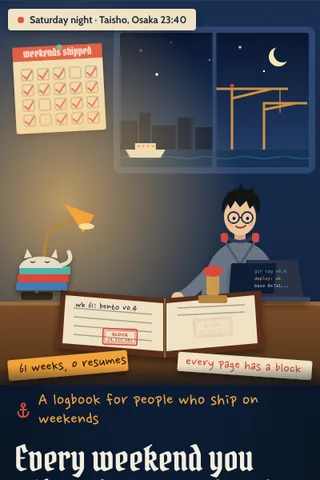
Every commit, deploy, and demo you ship becomes a signed, timestamped builder diary.
 LIVE DEMO
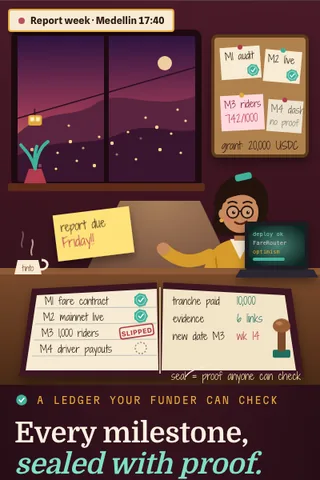
Show funders exactly what their grant built, milestone by milestone, with proof attached.
 LIVE DEMO
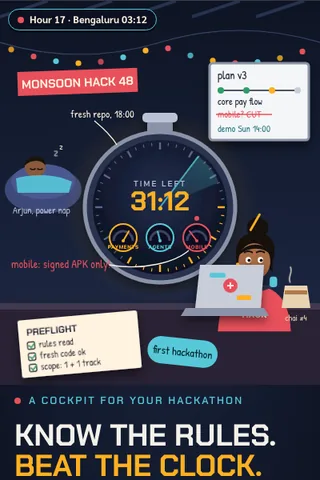
A hackathon cockpit that plans your scope, tracks bounties, and drafts a judge-ready submission.
 LIVE DEMO
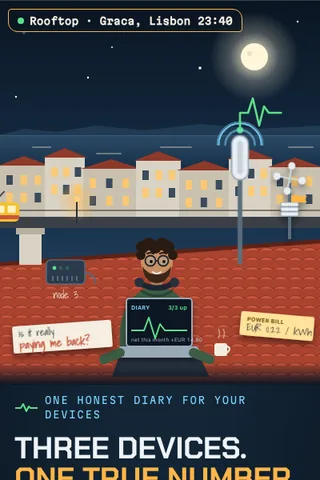
Your DePIN devices report uptime and earnings in one honest dashboard with tax-ready exports.
 LIVE DEMO
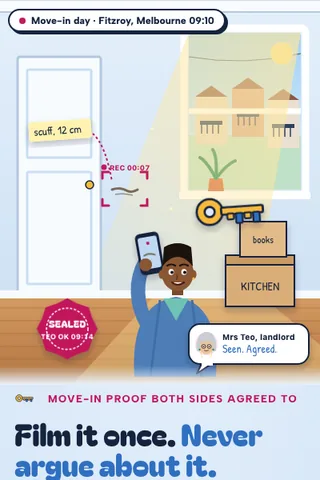
Tenants and landlords seal move-in photos and rent receipts so deposit disputes end fast.