 LIVE DEMO
Sealed Take
Everyone stakes a conviction, encrypted. The chain tallies it without ever seeing a single take. FHE on Base.
Ready now
$20Fhenix
 Try it live
A group treasury for clubs and friend groups with spending rules everyone can read in plain words.
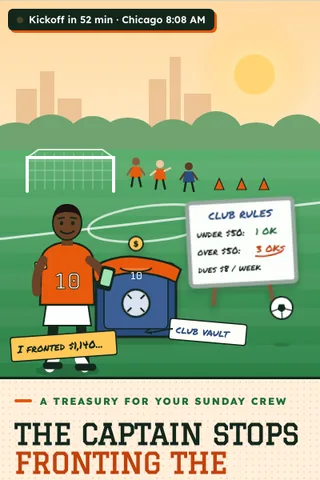
Try it live, freeA Sunday football club collects dues for pitch hire. Club Vault shows the rules in plain words (spends under $50 need one approver, over need three), everyone sees the balance, and the captain stops fronting cash.
Safe-backed vault, dues collection, readable spend rules, member feed, export.
Reshape it entirely: new features, your flows, your brand end to end, integrations you need. We scope it with you.
Plain-language group treasuries have been built; this is an EVM consumer take.
Potlock (Solana) lets groups write treasury rules in plain English that AI converts to a schema, Hawamoni runs threshold-approved group treasuries, and Safe covers multisig.
Checked with web searches in October 2026. A search is not proof that nothing similar exists, and the market moves fast, so we recheck before every build.
Shipped Base apps; retroactive
Existing projects OK
The complete Club Vault app: a club's dues sit in one shared Safe vault, with spending rules every player can read in plain words, approvals on phones, a hold on strange wallets, private dues nudges and a paywall built in.
Every buyer gets the same finished app. Basic branding and copy changes come through a quick form.
Your admin side: revenue, paywall editor, users, rules and the agent log.
Referral and growth mechanics, switched on when you are ready to grow.
Vaults are free for every club. Treasurers pay a small monthly plan for the dues helper, export and more groups; leagues pay for every club at once; an optional small fee applies on card top ups. Club dues never pass through the owner.
Optional 0 to 1% app fee on card top ups, set by the owner. USDC transfers are fee free. Gas can be sponsored by the owner.
Prices are yours to set. Illustrative, not a promise of income.
A shared vault for amateur clubs, with spending rules every player can read, so the organiser never has to be the bank.
Problem: In every Sunday club and friend group one person fronts the money and chases everyone else. Nobody knows the balance, cash gets lost, and the organiser becomes the bank, the reminder bot and the bad guy.
Solution: Dues go into a Safe vault on Base. Spend rules are written in plain words generated from the exact settings the vault enforces, approvals happen on phones, a first payment to a strange wallet is held, and a helper nudges privately instead of shaming.
Why now: Smart accounts, email login wallets and cheap L2 gas make a group vault cost cents a month and feel like a normal app.
Market: Millions of amateur sports clubs, five a side crews, choirs and friend groups that share costs, reachable in bulk through leagues.
The ask: Pilot with three Chicago Sunday leagues, then roll out league by league with WhatsApp digests.
Funding is never guaranteed. Check each program's rules.
Many hackathons require code written at the event. See the Regatta Boardfor each race's rule.
Custom work covers your branding and sport, other chains or onramps, league specific rules, integrations with booking systems, and anything beyond the roadmap, scoped on a call.
Every amateur club, five-a-side crew and friend group that shares costs has one person who fronts the money and chases everyone else. Nobody knows the balance, cash and transfers get lost, and the organiser becomes the bank, the reminder bot and the bad guy. Groups want a shared pot that nobody can drain alone and that everyone can understand without reading a contract.
This is an established idea. Safe already provides multisig group wallets, Hawamoni (a hackathon build) runs threshold-approved group treasuries, and Potlock on Solana lets groups write treasury rules in plain English that AI converts to a schema. Splitwise style apps track who owes what but hold no money. What Club Vault adds is a consumer take on EVM chains: the plain-words rule sheet is generated from the exact settings the vault enforces, dues collection with private nudges instead of public shaming, cash IOUs logged honestly as offchain, and a first-payment-to-a-new-wallet hold. Research verdict: exists, low novelty; the value is in the clarity and the club-friendly UX.
Club rules (dues, small spend limit, approval count, approvers, new payee hold), member list and roles, dues payments, spend requests with notes, approvals, and the Safe transaction history. Chat messages, request notes and cash IOUs stay in the app and are never published onchain.
Take money friction out of friendships, so the person who organises the game never has to be the bank.
The balance, for everyone Every player sees the same number and every spend, so nobody wonders where their $8 went.
Rules you can read Spends under the limit need one OK, bigger ones need the group. The sentence on the board is the rule the vault enforces.
Monday tap-in One weekly question, who is in for Sunday, pays your share in a tap and shows the next pitch already covered.
Vault: A Safe smart account on Base (or Arbitrum or Polygon) holds USDC. Approvers are signers; the threshold matches the club rules.
Spend rules: A Safe guard module enforces the small spend limit with one signature, the higher threshold above it, and a hold on first payments to never-paid addresses.
Plain-words rules: The rule sheet is rendered from the same config the guard reads; its hash is stored with each rule version so players can see which version applied.
Members and wallets: Privy embedded wallets with email or phone login, so players never handle seed phrases. Card and bank top-ups through a fiat onramp.
Dues helper: A scheduled job sends private reminders and the Monday digest by push, email or WhatsApp. A small model (Claude Haiku tier) drafts friendly reminder text; it has no signing rights.
Feed and indexer: An indexer reads Safe events to build the club feed and season export (CSV) for whoever does the club accounts.
On Base a Safe transaction typically costs well under $0.05 in gas, and creating the Safe is a one-off of a few cents. A small model drafting 18 reminder messages a week is a fraction of a cent. A club of 18 with 6 spends a month runs about $0.30 to $1 a month in gas and model costs, plus onramp fees on card top-ups, which the onramp provider sets.
Every player in a club gets invited, and players often belong to more than one group (a Sunday side, a Wednesday five-a-side, a holiday fund). The share card and the readable rule sheet travel into other group chats, and leagues can roll it out to every club at once.
Money transmission: Holding group funds can trigger rules in some places. The vault is non-custodial (members are the signers) and onramp partners handle KYC, but owners should check local rules before launching.
Lost signer access: If approvers lose their logins the vault can stall. Require at least two more approvers than the threshold and support signer rotation.
Social pressure: Public lists of who owes felt like fines and drove people away. Reminders are private by default; only the total balance is shared.
Scams and impersonation: Fake payee requests are common. First payments to new wallets are held for extra approvals and flagged in plain words.
Cash in the real world: Some players pay cash. IOUs are marked offchain and depend on the treasurer's honesty, which the app says clearly.
Costs and tools are estimates at the time of writing. General information only, not legal or financial advice.
Nine routes from one vessel. Tap a port to open its chart.
Club Vault is a group treasury with spending rules everyone can read in plain words, backed by a Safe you control. Owning it means the clubs, teams and friend groups that stop arguing about money do it on your branded vault, not a stranger's app. Your wallet deploys it, your name is on it, and every club you onboard is a user you can serve again.
You do not need to. The Safe-backed vault, dues collection, readable rules, member feed and export come ready. You choose rule presets, such as "spends under $50 need one approver, over need three", and invite members.
That is what the rules are for. Large spends need several approvers, every spend shows in the member feed, and nobody can move funds alone above the limit you set. No system removes all risk, so start with small balances while the club learns it.
Many will not at first. Start with members who already hold USDC and let others pay through a friend or an onramp. The goal is that the captain stops fronting cash, not that everyone becomes a crypto expert overnight.
Yes. The vault is a Safe whose signers are your club members, deployed from your wallet, on your domain. DEPLOYR never holds the funds or the keys.
Holding money for your own club is usually fine, but if you hold or move money for other groups as a business, rules vary by country. Keep members as signers so you never control client funds alone, and ask a local adviser before charging others.
You earn from clubs and organizations that want transparent shared money: a monthly fee per club for the branded vault and rule presets, a higher tier for leagues and associations that manage many teams, and setup fees for clubs that want you to configure everything. You never take a cut of members' money.
Illustrative stages, not a forecast. Results depend on you and the market; nothing here is guaranteed.
LIVE DEMOEveryone stakes a conviction, encrypted. The chain tallies it without ever seeing a single take. FHE on Base.
 LIVE DEMO
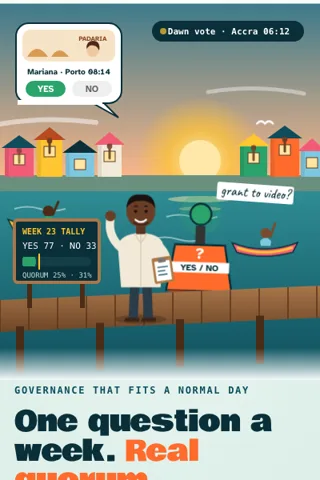
Governance by text-sized questions: one decision a week, answered in ten seconds, with real quorum.
 LIVE DEMO
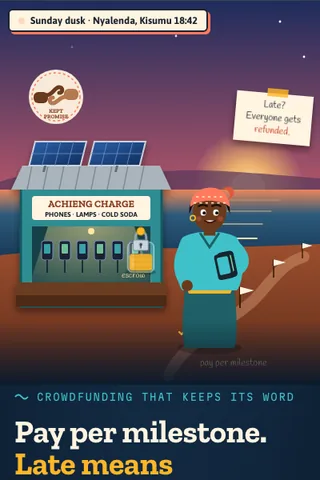
Crowdfunding where backers get refunded by contract if the goal or the milestones are missed.
 LIVE DEMO
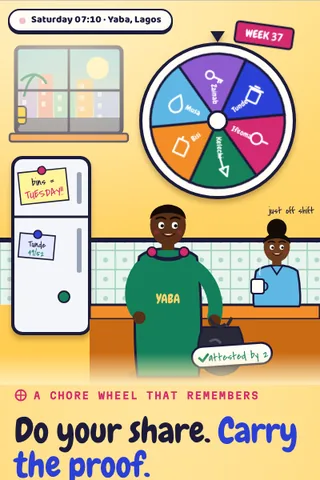
A shared house or club tracks who did the work, and the record becomes everyone's portable reliability score.
 LIVE DEMO
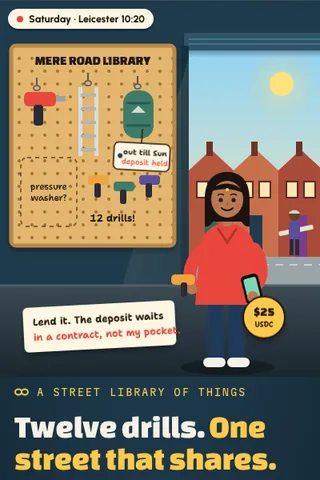
Lend the ladder, the drill, the tent: a street library of things with deposits held by contract.
 LIVE DEMO
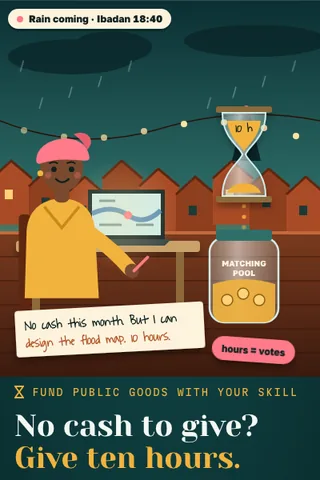
Fund a public good with hours of your skill, not just money, and get matched like a donation.
 LIVE DEMO
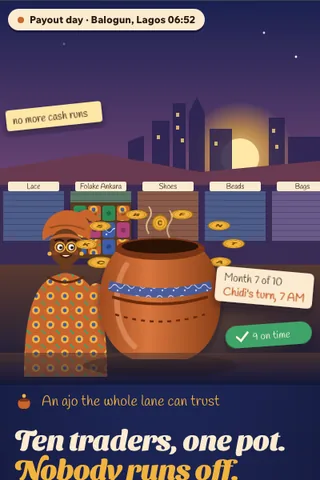
A rotating savings circle (ajo, susu, chama) with payouts enforced by contract and trust scores for members.
 LIVE DEMO
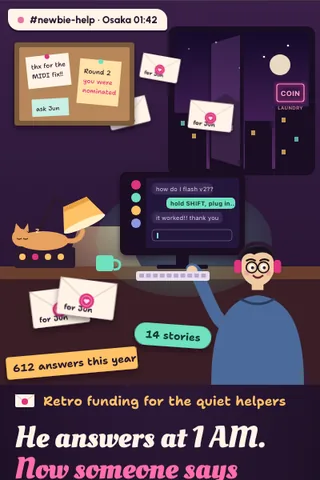
Retro funding for the quiet helpers: the community nominates who mattered, a pot pays them.