 LIVE DEMO
The Verdict
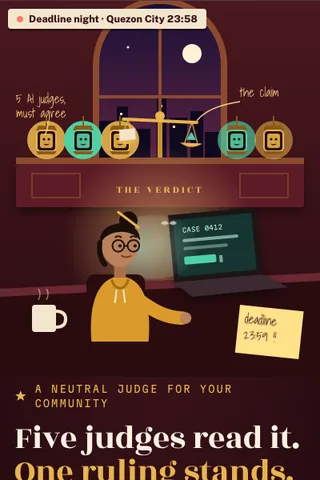
Put a claim to an impartial AI judge that reads the world and rules, on-chain.
Ready now
$20GenLayer
 Try it live
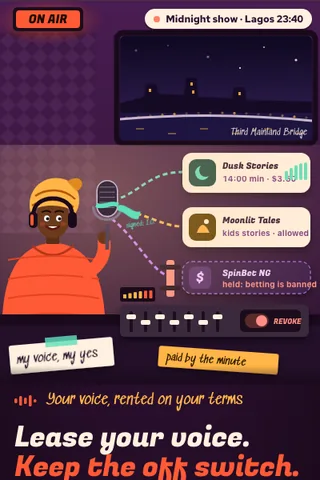
License your voice to AI apps by the minute, with consent recorded onchain and revocable anytime.
Try it live, freeIfeoma, a radio host, lists her voice. A podcast app pays per minute of generated audio; one click revokes the license if she dislikes the use.
Consent license contract, metered usage billing, revocation switch, licensee dashboard
Reshape it entirely: new features, your flows, your brand end to end, integrations you need. We scope it with you.
Revocable onchain voice consent exists only as a hackathon build; per-minute metered billing on top is the uncommon part.
Veilfor (ETHGlobal hackathon) licenses voice and face as revocable onchain assets on Hedera; Story Protocol covers IP licensing and ElevenLabs pays creators centrally.
Checked with web searches in October 2026. A search is not proof that nothing similar exists, and the market moves fast, so we recheck before every build.
Consumer AI; existing OK
The complete Voice Lease app: people license their voice to AI apps by the minute on their own terms, with consent recorded onchain, a policy gate on every script and one switch to revoke any app, with a paywall, owner console and gate agent built in.
Every buyer gets the same finished app. Basic branding and copy changes come through a quick form.
Your admin side: revenue, paywall editor, users, rules and the agent log.
Referral and growth mechanics, switched on when you are ready to grow.
Listing a voice costs nothing up front: the app keeps a share of license income. Agencies and radio stations pay monthly plus a smaller share for rosters, and licensee apps pay the voice's per minute rate plus generation cost.
Generation costs a few cents to around 20 cents a minute, paid by licensees. Policy checks are a fraction of a cent per script and hourly settlement on Base is well under a cent per batch.
Prices are yours to set. Illustrative, not a promise of income.
License your voice to AI apps by the minute, with consent recorded onchain and revocable anytime.
Problem: Voice actors, radio hosts and narrators are cloned without asking, and the ones who would license their voice have no simple way to say yes to some uses, get paid for what is generated, and take it back.
Solution: A consent license on Base records allowed and banned uses, price and cap. Every script passes a policy gate before generation, minutes are metered and settled hourly in USDC, and a revoke transaction stops new audio within seconds.
Why now: Hosted voice generation is cheap and everywhere, which makes consent and metering urgent, and small models make per script policy checks almost free.
Market: Voice actors, radio hosts, narrators, the stations and agencies that represent them, and the apps that want licensed voices.
The ask: A pilot with one Lagos radio station's hosts and two story apps.
Funding is never guaranteed. Check each program's rules.
Many hackathons require code written at the event. See the Regatta Boardfor each race's rule.
Custom work from $2,500: other voice providers, agency portals, union integrations or a different consent chain. Scoped on a call.
Voice actors, radio hosts and narrators are being cloned without asking. The ones who would happily license their voice have no simple way to say yes to some uses, no to others, get paid for what is actually generated, and take it back.
Parts of this exist. Veilfor, an ETHGlobal hackathon build, licenses voice and face as revocable onchain assets on Hedera. Story Protocol covers onchain IP licensing in general, and ElevenLabs pays voice creators through its own central marketplace. Research verdict: rare, medium novelty. What is less common here is per minute metered billing tied to an onchain consent license with use categories the owner picks, a revoke switch that stops new generations, and a weekly listening habit for the voice owner. Revocation cannot unmake audio already generated, and the app says so.
The owner's signed consent license (allowed and banned uses, price per minute, daily cap), licensee identities, metered minutes per generation batch, settlement payments, revocation events, and offchain: the voice model, sample clips, transcripts of generated audio for policy checks, and watermark detection results.
Let people earn from their voice on their own terms, and make saying no as easy as saying yes.
The off switch One tap revokes a license and new generations stop at the next check. People feel safe enough to say yes in the first place.
The meter Minutes tick up live with the app that used them and what for. Earnings feel real, not abstract.
Sunday listen Three random clips of your voice from the week, approve or flag. Takes five minutes and keeps you in charge.
Consent license: A license contract on Base (or a Story compatible EVM chain) records the owner, allowed use categories, banned uses, price per minute and daily cap, signed from a Privy embedded wallet.
Licensee access: Apps get an API key tied to their wallet and the license id. The voice model runs on a hosted TTS provider under the operator's account; licensees never receive the model.
Policy gate: Each script is checked before generation: a small model (for example Claude Haiku or Gemini Flash) classifies the use against the license. Banned or unclear uses are held for the owner.
Metering and settlement: Generated seconds are counted per request and settled in USDC hourly in batches, with the batch hash onchain and the per request log offchain.
Revocation: The owner's revoke transaction flips the license status. The API checks status before every generation, so new audio stops within seconds. Past audio stays out there; a watermark lets the owner prove its origin.
Watermark and listening: Audio carries an inaudible watermark. A weekly job samples clips for the owner's Sunday listen and scans public uploads for unlicensed matches.
TTS generation from hosted providers typically costs from a few cents to around 20 cents per minute depending on provider and plan, so the price per minute must sit above that. Policy checks on a small model cost a fraction of a cent per script. Hourly settlement on Base is usually well under a cent per batch. Example month for one voice with 3,000 generated minutes: roughly $150 to $300 TTS paid by licensees on top of the owner's rate, about $2 policy checks, about $1 gas.
Voice owners share their license page with listeners and producers. Each licensee app credits the voice and links back, bringing more voices. Radio stations and narrator agencies onboard rosters at once.
Cloning outside the app: Anyone can still clone a voice from public recordings with other tools. The license proves consent where it exists; it cannot stop all misuse. Say so clearly.
Revocation limits: Revoking stops new audio, it does not delete files already generated. Contracts with licensees should require removal on revoke, and the watermark helps prove origin.
Legal and right of publicity: Voice rights differ by country. Use clear terms, record the owner's identity check, and avoid political, medical and financial advice uses by default.
Policy gate misses: Classifiers miss disguised uses, especially across languages. Hold first uses from new licensees for owner review and keep the human listening habit.
Identity fraud: Someone could list a voice that is not theirs. Require a live recorded consent phrase and a matching identity check before a license goes live.
Costs and tools are estimates at the time of writing. General information only, not legal or financial advice.
Nine routes from one vessel. Tap a port to open its chart.
Voice Lease lets a person license their voice to AI apps by the minute, with consent recorded onchain and a switch that revokes it at any time. On a voice marketplace, the platform sets your rate, holds the consent record and decides who can use you. Own it, and the consent contract, the metering, the payouts and the list of licensees all sit under your wallet and your name, whether you lease your own voice or run a roster of voices.
A license and consent record make misuse traceable and give you a clear legal position, but they cannot stop every bad actor from cloning audio found elsewhere. Be honest about that. Voice Lease is about controlled, paid use by apps that want to stay on the right side of consent.
Voice and likeness rights differ by country and state. Many places protect them, some explicitly cover AI. Before you license other people's voices, get a local lawyer to review your license terms.
The consent contract, metered billing, revocation switch and licensee dashboard come built. You record samples, set a rate and approve licensees.
Some podcast, audiobook, game and accessibility apps prefer licensed voices to avoid legal risk. Volume will start small. Go after small studios first, not big platforms.
Yes. Contracts deploy from your wallet on Base, Polygon or a Story compatible EVM chain, and payments go to your address.
Per minute fees from licensees for generated audio, with you taking a platform share if you host other voices, plus monthly plans for studios that want a roster. This is a target, not a promise.
Illustrative stages, not a forecast. Results depend on you and the market; nothing here is guaranteed.
LIVE DEMOPut a claim to an impartial AI judge that reads the world and rules, on-chain.
 LIVE DEMO
Invite-gated: Ritual's testnet faucet needs a Discord invite. Get the invite, then contact us and we set you up. Not sold in the normal flow yet.
 LIVE DEMO
Teach an AI agent your craft, and every time it earns, you earn as the teacher of record.
 LIVE DEMO
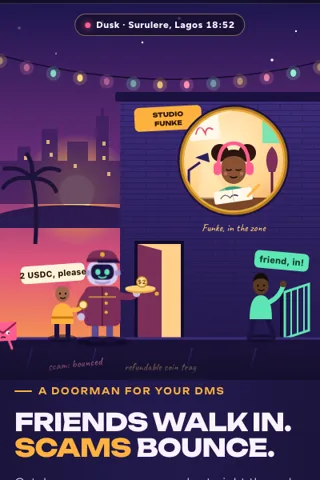
An AI that guards your inbox and DMs and charges strangers a fee you keep to reach you.
 LIVE DEMO
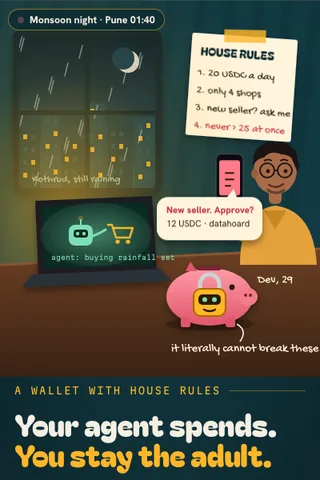
Give your AI agent a wallet with house rules it literally cannot break.
 LIVE DEMO
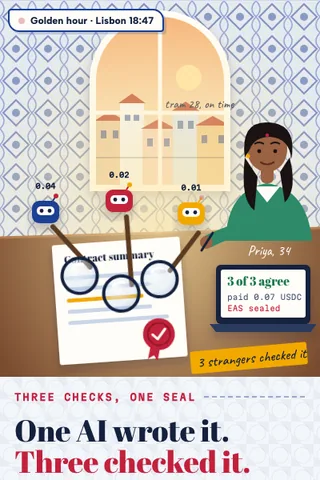
Pay three independent AIs a few cents to check one answer, and get a signed receipt of agreement.
 LIVE DEMO
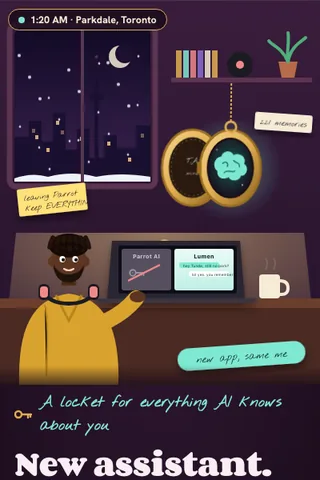
Your personal AI memory, owned by you, rentable to any assistant you choose.
 LIVE DEMO
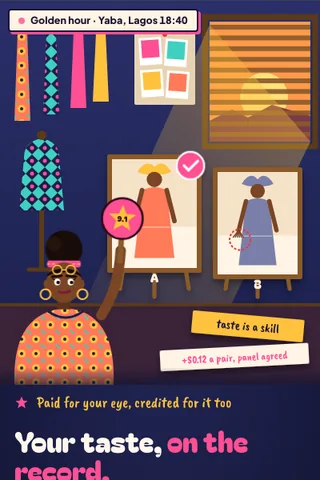
AI labs pay you to rank their outputs, and your taste builds an onchain reputation.